
Estimated reading time: 15 minutes
Tucked away in the misty hills of Arunachal Pradesh, Ziro Valley feels like a place that time forgot. Rice paddies stretch beneath pine-covered ridges, bamboo-thatched villages dot the landscape, and the people who have called this valley home for generations, the Apatani, still follow traditions that are found nowhere else in India. So why is Ziro Valley so special, and what makes the Apatani tribe so unique? This guide answers those questions and covers the most common things travellers ask before visiting.
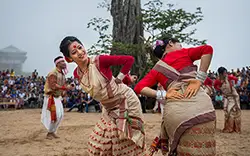
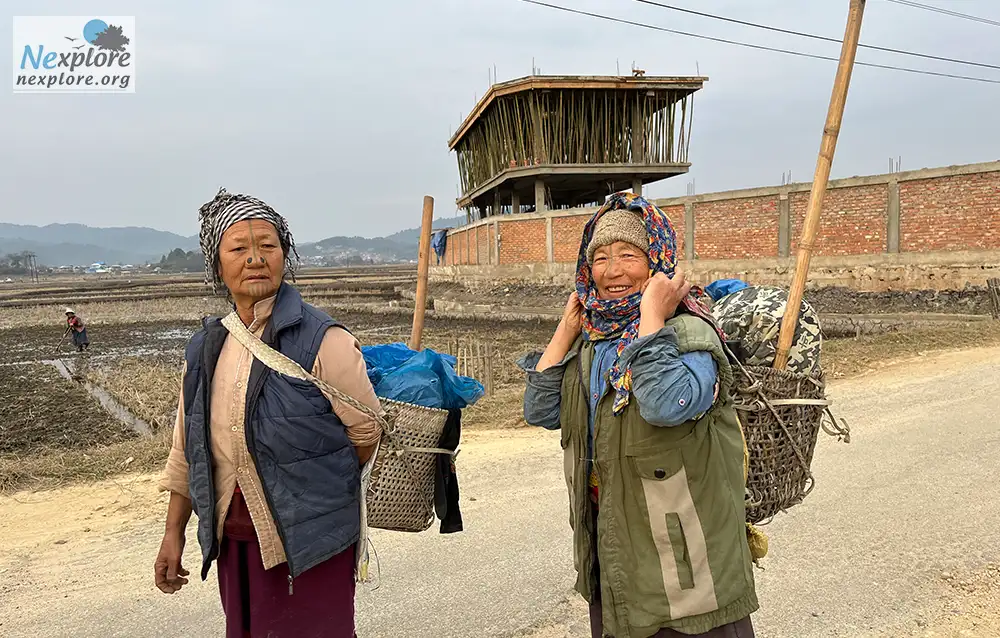
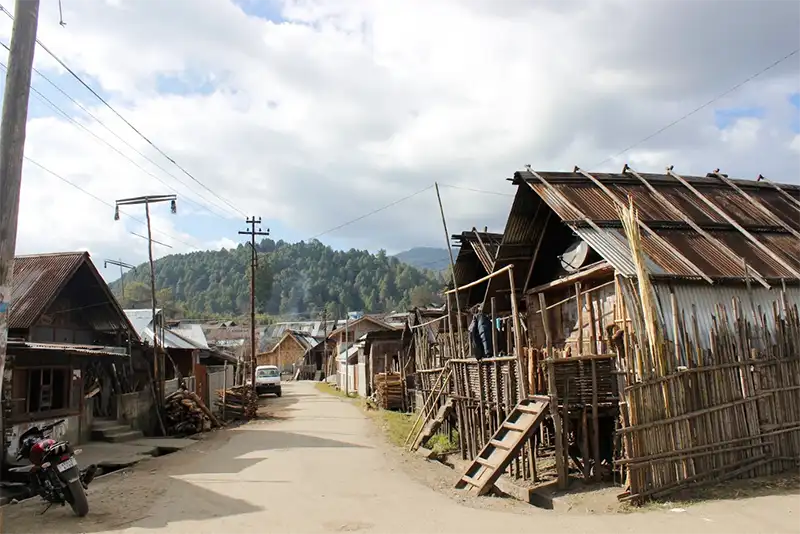
A walk through its traditional villages can be an unforgettable experience, where every home, farming field and familiar village gathering offers a glimpse into the everyday lives of the Apatani people. You may meet elderly Apatani women who still carry the distinctive traditional facial tattoos, watch farmers tending to their carefully maintained paddy fields, or notice the intricate details of traditional homes, handloom and crafts. Beyond the villages, the landscape unfolds into vast stretches of rice fields, pine-covered hills and bamboo forests. Each season brings a different charm, while festivals such as Myoko and Dree offer wonderful opportunities to understand the community’s traditions and celebrations.
Ziro is a place to explore slowly, observe closely and connect with the people who call this valley home. Whether you are a curious traveller, a culture enthusiast or a photographer looking for stories beyond the usual tourist trails, a visit to the Apatani villages promises experiences that stay with you long after the journey ends. Come to Ziro not just to see its landscapes, but to discover the people, traditions and everyday moments that make this corner of Arunachal Pradesh so distinctive.
Who Are the Apatani People of Ziro Valley?
The Apatani, also referred to as Tanii, are an Indigenous community whose ancestral homeland lies in Ziro Valley, in the Lower Subansiri district of Arunachal Pradesh.
The identity of the Apatani tribe of Ziro Valley is deeply rooted in its language, oral traditions, community institutions, farming practices, traditional handloom, handicrafts and festivals. Most Apatani people follow Donyi-Polo, which worships the Sun (Donyi) and the Moon (Polo), along with nature spirits.
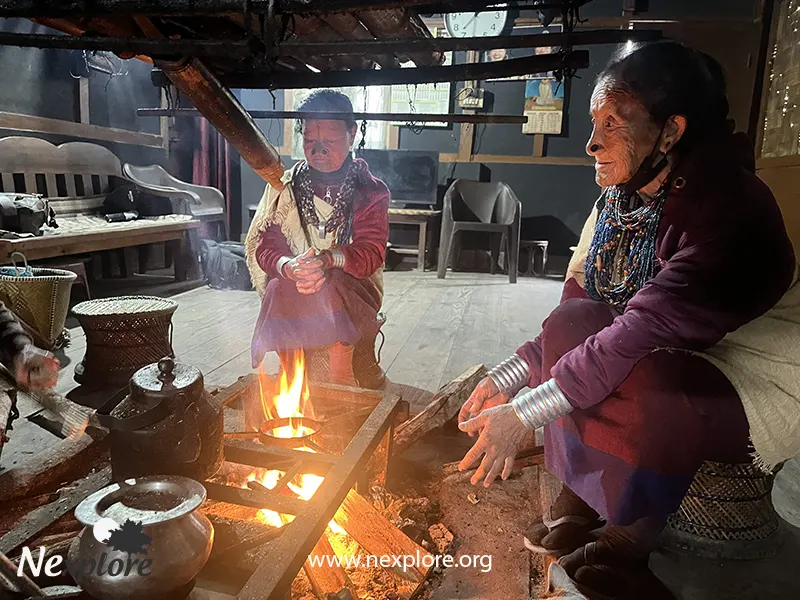
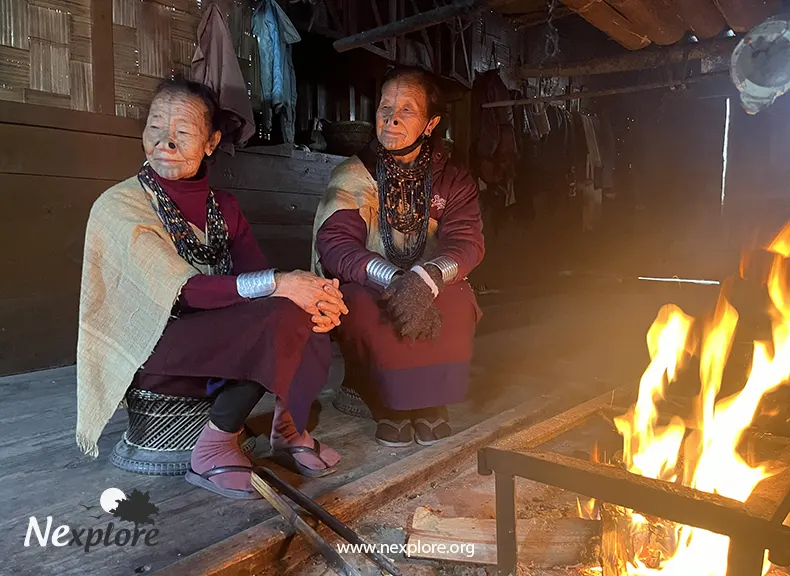
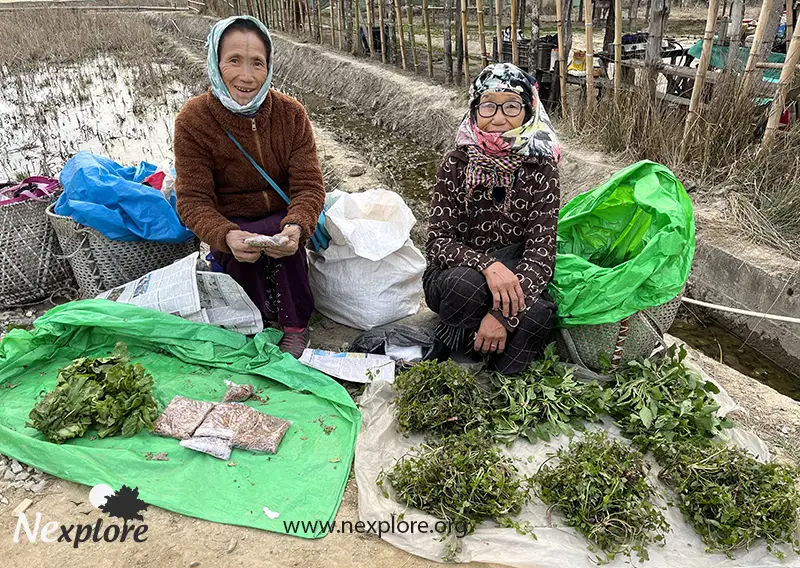
Older Apatani women are known for their facial tattoos and nose plugs. The practice died out in the 1970s, so it survives only in the oldest generation.
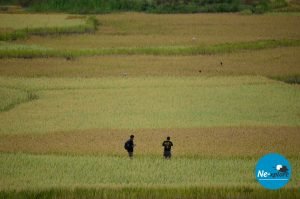
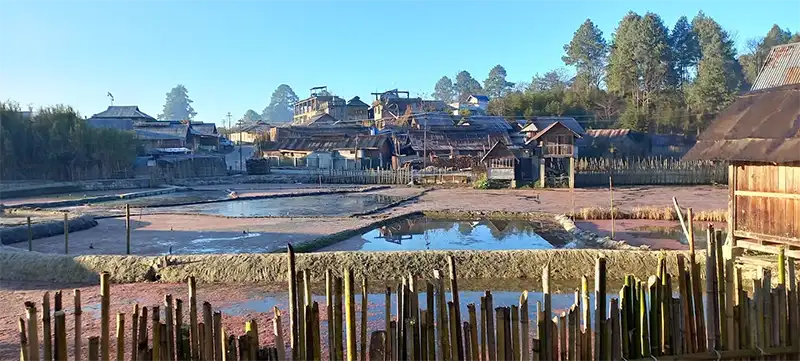
The agricultural landscape of Ziro is much more than a beautiful stretch of paddy fields. The Apatani grow wet rice and raise fish in the same paddies, with no machines and no draught animals. This system is considered one of the most sustainable in the world. It reflects generations of knowledge and a carefully developed relationship between farming, water management, village settlements and the natural environment.
This close relationship between the Apatani people, their traditional farming systems and the surrounding environment is recognised in UNESCO’s Tentative List entry for the Apatani Cultural Landscape. It offers a deeper understanding of why Ziro Valley is not just a scenic destination but a place where cultural heritage and everyday life remain closely connected.
Why is Ziro Valley so special?
Ziro Valley sits at about 1,500 metres in the Lower Subansiri district of Arunachal Pradesh. It stands out for four reasons:
- Living cultural landscape: The Apatani Cultural Landscape has been on UNESCO’s World Heritage Tentative List since 2012, because people and land have shaped each other here for centuries.
- Unique farming: They practice the paddy-cum-fish farming, with millet grown on the raised bunds between fields.
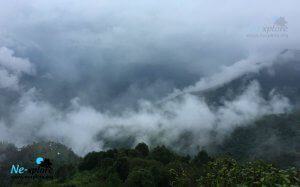
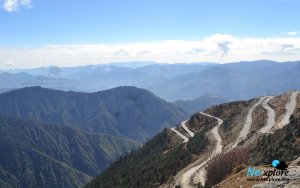
- Scenery: Pine-covered hills, bamboo groves, mist-covered paddy fields and small villages like Hong, Hari, Bulla and Hija make the valley feel timeless.
- Culture and events: It hosts colourful tribal festivals and the well-known Ziro Festival of Music, which draws independent artists and travellers from across India.
Walking Through an Apatani Village
One of the most meaningful ways to experience Apatani culture is to walk through its villages rather than simply drive past them. Hong, Hari, Hija and Bamin Michi are among the villages associated with the Apatani cultural landscape. Each offers opportunities to observe the relationship between settlement, agricultural land and community life.
A greeting, a conversation with a willing host or an explanation from a local guide can add far more depth to a visit than a hurried walk through several settlements.

The Remarkable Apatani Rice-Fish Farming System
The agricultural landscape is one of the most distinctive features of Ziro Valley. The Apatani are renowned for their traditional wet-rice cultivation system, in which fish are also raised in rice fields. The fields are connected through carefully managed water channels, while raised field boundaries can support additional crops, including millet.
This integrated system makes productive use of the valley’s limited cultivable land. It also reflects generations of practical knowledge about water, soil, crop cultivation and the local environment. For a visitor, the beauty of the fields becomes even more meaningful after understanding the work behind them. The green expanse is the result of planning, seasonal labour, knowledge passed between generations and ongoing care for the land.
The appearance of the valley changes throughout the year. Planting, growing and harvesting periods create different colours and textures, so there is no single season that captures every aspect of the landscape.
Traditional Tattoos and Nose Plugs: Understanding a Changing Heritage
Older Apatani women are sometimes recognised by distinctive facial tattoos and large nose plugs known as yaping hullo. These features have become widely associated with the community’s cultural history. These practices are no longer generally followed by younger generations.
Festivals celebrated in Ziro Valley
Myoko Festival: Celebrating Friendship and Community
Among the important cultural celebrations of the Apatani community, Myoko Festival holds a special place. Observed around March and extending into April in traditional accounts, Myoko is closely associated with friendship, social bonds and relationships between communities. Its observances include customary rituals and social gatherings, with details varying according to local practice and the festival programme.
If you plan your journey around Myoko, arrange your dates in consultation with knowledgeable local contacts. Confirm the current year’s programme, village-level observances and access arrangements.
Read our guide to top festivals in Northeast India →

Dree Festival: A Celebration Rooted in Agriculture
While Myoko is a time for strengthening friendships and community bonds, Dree Festival reflects the Apatani people’s deep connection with farming and the land. Celebrated every year on 5 July, Dree is one of the most important festivals in Ziro Valley. It is a time when the community comes together to pray for a good harvest, healthy crops, protection from pests and diseases, and prosperity for everyone. Traditional rituals and prayers are offered to the deities believed to protect the people and their agricultural fields.
For visitors, Dree offers a wonderful opportunity to experience the living culture of the Apatani community. You may see people dressed in traditional attire, enjoy cultural performances and witness the valley come alive with community celebrations. It is also a chance to understand how deeply farming, faith and community life are connected in Ziro.
Plan your visit around Dree Festival, meet the local community, explore the traditional villages and discover the cultural richness of Ziro Valley. Check the festival programme for the year before finalising your travel dates, as public celebrations and visitor activities may vary.
If you are planning a Ziro trip in early July, remember that this period also falls within the monsoon season. Rain, road conditions and travel times can affect your plans.
Apatani Food: A Taste of the Valley
Food is another way to understand the relationship between the Apatani community and its environment.
Rice is a staple of everyday meals, while fish, seasonal vegetables, leafy greens and locally available ingredients contribute to household cooking. Bamboo shoots and regional herbs also appear in food traditions across parts of Arunachal Pradesh, though recipes and preferences vary between households.
Rather than assuming that one menu represents the entire community, approach local cuisine as an opportunity to discover individual household traditions. If you stay in a locally run homestay, ask about the ingredients, cooking methods and seasonal produce. These conversations can reveal how food connects agriculture, family life and the changing seasons.
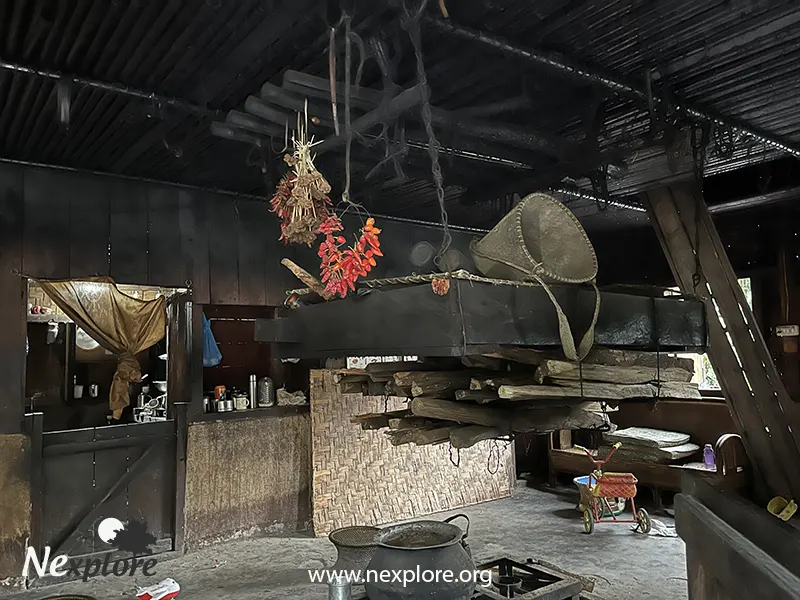
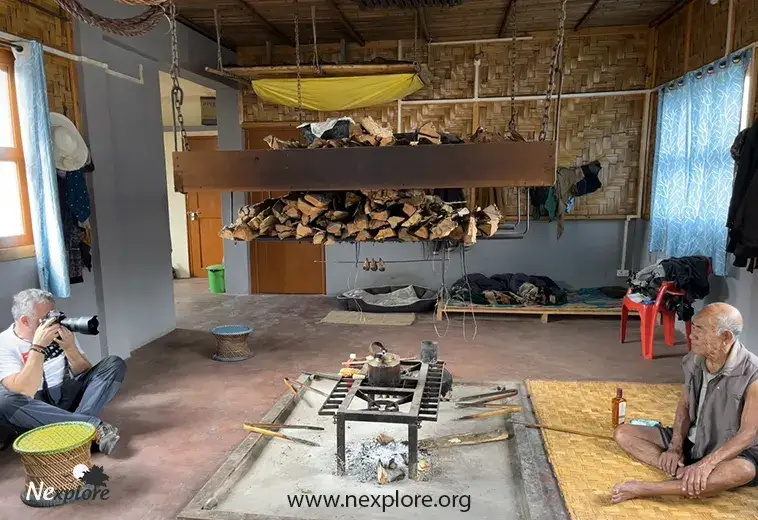
Apatani Handloom, Cane and Bamboo Craft
The Apatani cultural landscape is also known for handloom designs and cane and bamboo craftsmanship. These traditions provide another way to appreciate local skill and creativity.
For visitors interested in traditional textiles, craft and community-based tourism, Ziro can be combined with other cultural destinations in Northeast India.
A Photography Journey Through Apatani Country
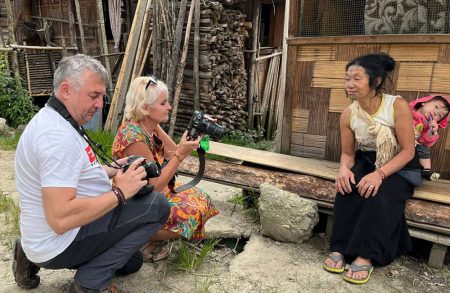
Ziro is a photographer’s delight, offering opportunities to capture the traditional facial tattoos of Apatani elders, their rich cultural traditions and vibrant festivals, along with the valley’s picturesque paddy fields, traditional villages and lush bamboo forests.
The landscape offers endless photography opportunities, with expansive paddy fields, traditional villages and pine-covered hills creating beautiful compositions. As the light changes throughout the day, the scenery takes on different moods, offering wonderful opportunities for atmospheric landscape photography. The changing agricultural seasons add another dimension, bringing varied colours, patterns and textures to the valley. A community-focused photography journey also offers a closer look at everyday life—from farmers working in their fields and artisans practising traditional crafts to intricate textiles and the deep connection between village life and the surrounding landscape.
When Is the Best Time to Visit Ziro Valley?
The best time depends on what you hope to experience.
| Period | What to expect |
|---|---|
| March–April | A good period to explore village life and enjoy the Myoko Festival. |
| June–July | Lush agricultural landscapes and active farming; Dree Festival is celebrated on 5 July. Expect monsoon-related travel considerations. |
| September–October | Often attractive for photography, cultural exploration and post-monsoon scenery. Paddy fields turn to golden yellow. Attend the Ziro Festival of Music – a contemporary music event, usually held in September. |
| November–February | A cooler, quieter experience of the valley. Prepare for cold nights. |
How to Travel Responsibly in Apatani Villages
Responsible tourism begins with recognising that the Apatani cultural landscape is a living homeland. The aim should be to create opportunities for respectful learning and mutually beneficial travel.
- Travel with a knowledgeable local guide. Local interpretation helps explain customs and provides useful context.
- Choose community-based services where available. Consider locally run accommodations and guides.
- Respect private spaces. A village path may be public, but a home or courtyard is not automatically open to visitors.
- Ask before joining activities. Invitations should come from willing hosts, and participation should follow their guidance.
- Avoid cultural assumptions. Traditions differ between individuals and generations.
- Allow time. Meaningful conversations take time.
- Follow current permit and travel rules.
A well-planned visit can support local livelihoods while giving travellers a richer understanding of the place.
How to Plan a Ziro Valley Cultural Tour
Ziro Valley is best explored at a relaxed pace. Rather than rushing from one attraction to another, take time to walk through traditional Apatani villages, observe everyday life and discover the culture that makes this valley so special.
A well-planned Ziro Valley cultural tour can include village walks, visits to traditional homes, time around the distinctive rice and fish cultivation fields, local food experiences, traditional crafts and photography opportunities. You can also combine your visit with short nature walks, scenic viewpoints and other interesting destinations in Arunachal Pradesh.
The duration and activities can be customised depending on your interests, travel dates and the kind of experiences you are looking for. It is important to allow enough time for road journeys, comfortable accommodation and meaningful interactions with local communities rather than trying to cover too much in a single day.
A little planning also makes a big difference. Road conditions, seasonal changes, accommodation availability and local access should all be considered while preparing your itinerary. International travellers should check the applicable travel permit requirements and transport arrangements before arriving. Those planning to experience festivals such as Myoko or Dree should make accommodation and travel arrangements well in advance.
Planning a cultural journey to Ziro Valley?
Let Nexplore Travel help you create a customised Arunachal Pradesh itinerary that goes beyond the usual sightseeing routes. Whether you are interested in Apatani culture, village life, traditional agriculture or photography, we can help you experience Ziro at your own pace.
Frequently Asked Questions About the Apatani Tribe
Apatani culture is known for its agricultural knowledge, integrated rice-fish farming, traditional festivals, handloom designs, cane and bamboo crafts, and community institutions. Its cultural landscape reflects a long relationship between people and the natural environment.
The Apatani people primarily inhabit Ziro Valley in the Lower Subansiri district of Arunachal Pradesh, Northeast India. The community is known for its distinctive cultural heritage, traditional villages and wet-rice farming practices.
Yes, visitors can explore villages in the Ziro area, subject to local access and circumstances. A knowledgeable guide can provide cultural context. Travellers should respect private homes, seek permission before taking photographs and follow guidance around community or sacred spaces.
Yes. Its agricultural landscape, traditional architecture, craft traditions and seasonal festivals offer a range of subjects for cultural and documentary photography. Portraits and images of private activities should be made only with informed permission.
March and April can suit visitors interested in spring landscapes and Myoko-related cultural experiences. June and July bring lush agricultural scenery and Dree Festival, though monsoon conditions can affect travel. September and October can be attractive for photography and cultural exploration. Actual weather and annual festival schedules should be confirmed.
You can explore our Ziro Valley Tour or contact Nexplore Travel to discuss a customised itinerary. Tell us whether your priority is cultural exploration, photography, festivals or a broader Arunachal Pradesh journey so the itinerary can be planned around your interests.
Oral tradition and local accounts say the practice served as a mark of identity and, according to some, as a way to make women less attractive to raiders from neighbouring tribes. Tattooing was discontinued around the 1970s.
Indian nationals from outside Arunachal Pradesh need an Inner Line Permit (ILP), and foreign nationals need a Protected Area Permit. Check the official Arunachal Pradesh portal for current rules before you travel.
The nearest railhead is Naharlagun, and the nearest major airport is Lilabari (North Lakhimpur, Assam). Itanagar is also a common starting point. Ziro is reached by road from these places.
You can also start your Ziro Valley trip from Tezpur or Guwahati. Both cities have airports connected to the rest of India. Buses ply regularly from all these cities to Ziro Valley.
It is an outdoor music festival held in the valley, known for independent Indian and international artists and for camping among the pine trees.
Donyi-Polo is the indigenous faith of several Arunachal tribes, including the Apatani. It honours the Sun and the Moon as supreme forces and emphasises harmony with nature.
Plan Your Ziro Valley Cultural Tour
Explore Apatani villages, traditional farming practices and local culture with Nexplore Travel. We have been organising Ziro Valley tours since 2015, creating personalised experiences for international and domestic travellers.
Contact us
📧 support@nexplore.org
💬 WhatsApp: +91 73990 54196
Discover Ziro Beyond the Usual Tourist Trail
The most memorable experience in Ziro Valley may not be a viewpoint or a famous landmark. It may be a conversation with a local guide, a closer look at the intricate water channels between the rice fields, or the discovery of how a cultural tradition continues to evolve.
If you would like to discover Ziro Valley at a thoughtful pace, Nexplore Travel can help you plan a personalised journey through Arunachal Pradesh.
Explore our Ziro Valley tour or contact us to plan your cultural and photography experience.