

Estimated reading time: 14 minutes
Ziro Valley is one of Arunachal Pradesh’s most fascinating destinations—a beautiful highland valley where traditional Apatani culture, carefully cultivated paddy fields and pine-covered hills come together.
Located in the Lower Subansiri district of Arunachal Pradesh, Ziro sits at around 1,500 meters above sea level. The valley is home to the Apatani people, whose distinctive culture and traditional agricultural practices have shaped the landscape for generations. You come here to walk through old villages, see the remarkable rice-fish farming system, meet local communities, explore pine forests, and experience a slower side of Arunachal Pradesh.
The Apatani Cultural Landscape has been included on UNESCO’s Tentative List because of its remarkable traditional land-use practices, cultural heritage and long-standing relationship between the community and its environment.
Ziro Valley at a Glance
- Location: Lower Subansiri district, Arunachal Pradesh
- Altitude: Around 1,500 metres
- Known for: Apatani culture, paddy fields, pine forests and village life
- Best for: Culture, photography, slow travel, nature and offbeat experiences
- Famous festival: Ziro Festival of Music
- Traditional festivals: Myoko and Dree
- Nearest major access points: Itanagar/Naharlagun, Lilabari and Guwahati
- Permit: Indian travellers require an Inner Line Permit (ILP); foreign travellers require the applicable Protected Area Permit (PAP)
Planning to visit as an international tourist?
Foreign nationals require a Protected Area Permit (PAP) to enter Arunachal Pradesh. Nexplore arranges all permits on your behalf —
you only need to send us your passport copy. Processing takes 5–7 working days.
Read our complete permit guide for foreign visitors → | WhatsApp us to plan your tour
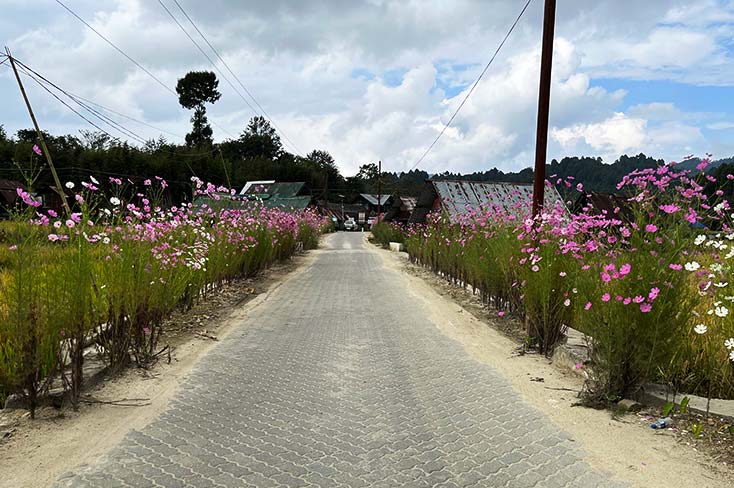
Ziro Valley: Where Culture and Landscape Come Together
What makes Ziro special is not simply its scenery. It is the way the valley has been shaped by the Apatani community over generations.
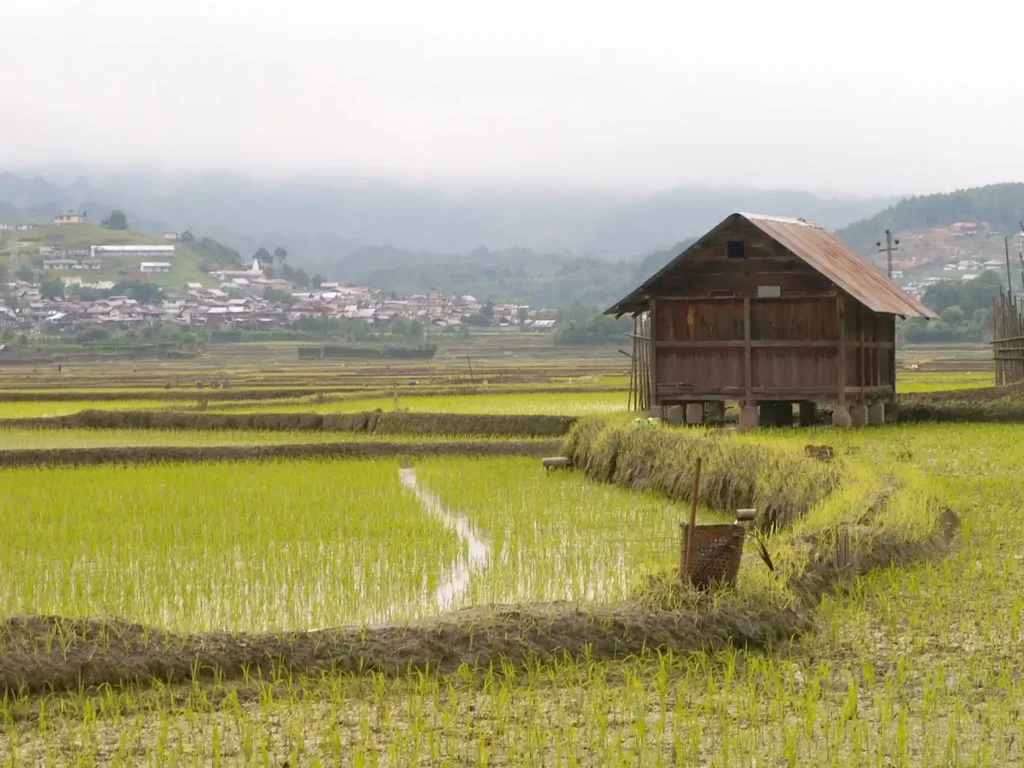
The broad valley floor is used for wet-rice cultivation, while the surrounding hills and forests provide water and other natural resources. The Apatani agricultural system traditionally combines rice cultivation with fish rearing, making remarkably efficient use of the available land and water.
UNESCO describes the Apatani Cultural Landscape as an example of the long-standing coexistence of people and nature. The traditional system includes wet-rice cultivation, fish rearing, millet cultivation, bamboo and pine areas, community forests and carefully managed water resources.
For travellers, this means that exploring Ziro is as much about understanding the landscape as it is about photographing it.

Why Visit Ziro Valley?
Ziro is ideal if you want to experience an aspect of Arunachal Pradesh that goes beyond conventional sightseeing.
1. Experience Apatani culture
Spend time in traditional Apatani villages and observe the distinctive architecture, agricultural practices, crafts and everyday life of the community.
2. Walk through the paddy fields
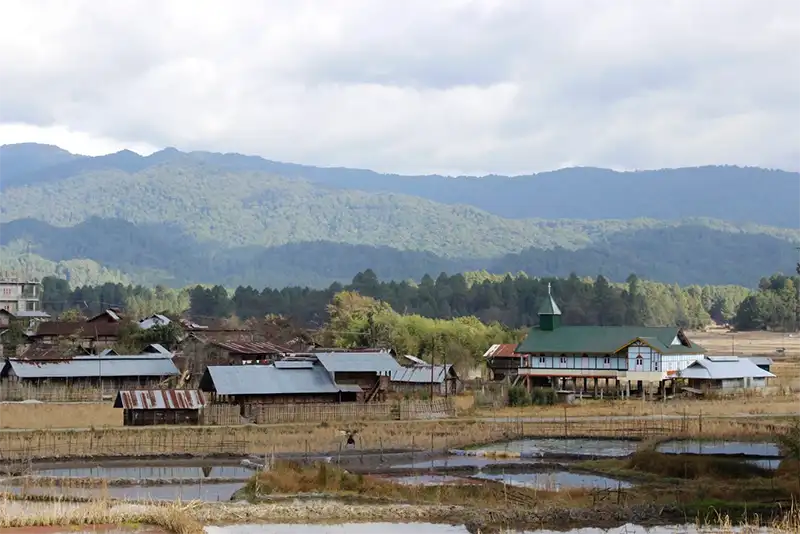
The valley’s geometric paddy fields are among its most characteristic landscapes. During the growing season, the fields turn brilliant green and create a striking contrast with the surrounding pine-covered hills.
3. Discover traditional rice-fish cultivation
One of Ziro’s most interesting cultural experiences is seeing how rice and fish are traditionally cultivated together. The practice is an example of the Apatani community’s indigenous knowledge of land and water management.
4. Explore pine forests
The pine groves around Ziro offer an easy escape into nature. They are particularly beautiful in the soft morning and afternoon light and are popular with photographers.
5. Travel slowly
Ziro is best experienced without rushing from one attraction to another. Walk through villages, stop beside the fields, speak with local people and allow time to experience the rhythm of valley life.
Top Things to Do in Ziro Valley
1. Explore the Traditional Apatani Villages
A visit to Ziro is incomplete without exploring its traditional villages.
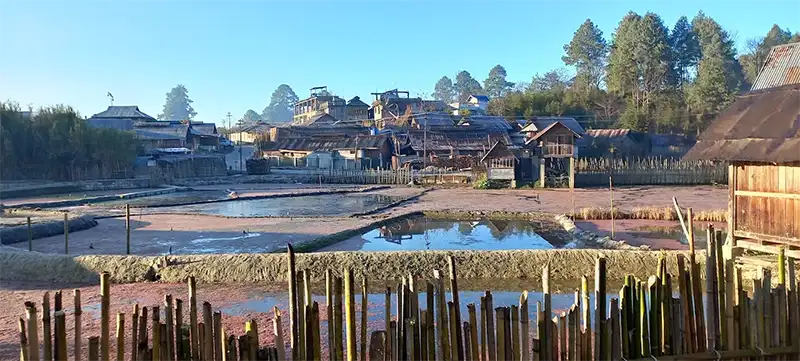
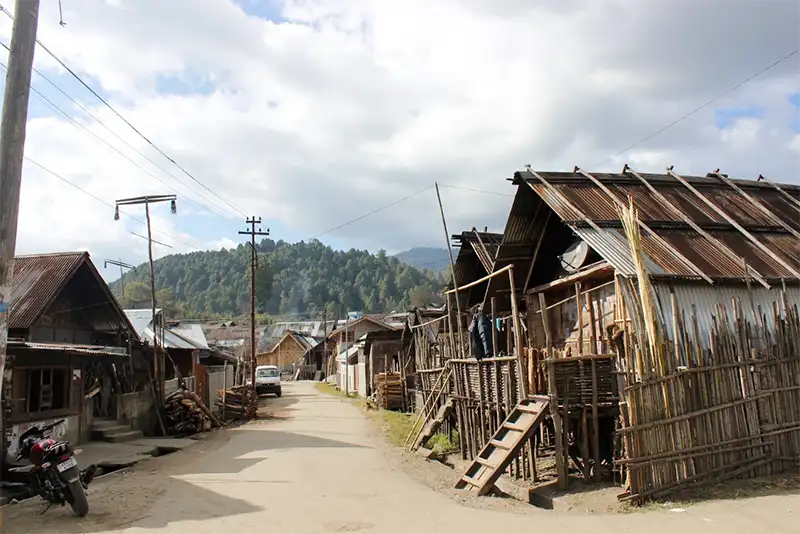
Hong, Hari, Bulla and other settlements around the valley provide an opportunity to see traditional Apatani homes, village spaces and agricultural landscapes. Rather than treating the villages as sightseeing stops, we recommend visiting with a local guide and taking time to understand the community’s way of life. The Apatani have a distinctive cultural identity, traditional institutions, festivals, crafts and agricultural knowledge that continue to shape life in the valley.
Travel tip: Always ask before photographing people, homes or cultural activities.
2. Walk Through Ziro’s Paddy Fields
The paddy fields are one of the defining landscapes of Ziro. During the agricultural season, the valley floor becomes a vast patchwork of green fields surrounded by rolling hills. Small irrigation channels distribute water across the fields, reflecting the traditional cultivation method that has allowed wet-rice cultivation and paddy-cum-fish culture.
3. Visit Tarin Fish Farm
Tarin Fish Farm is one of the best places to understand Ziro’s traditional agricultural practices.
The Apatani farming system integrates fish with rice cultivation, creating a productive agricultural ecosystem within the paddy fields.
A visit here provides a glimpse into the relationship between food production, water management and traditional ecological knowledge that makes the Ziro landscape distinctive.
4. Spend Time in the Pine Groves
Ziro’s pine forests offer a completely different atmosphere from the busy towns of Arunachal Pradesh.
Tall pine trees, quiet paths and cool mountain air make the groves ideal for a relaxed walk or photography session.
Combine a visit to the pine forests with nearby villages and viewpoints for a leisurely half-day exploration.
5. Visit Kile Pakho
Kile Pakho is one of the viewpoints around Ziro where you can appreciate the valley’s dramatic landscape. From higher ground, the relationship between the cultivated valley floor and surrounding hills becomes particularly clear. It is a rewarding place for travellers interested in landscape photography.
6. Enjoy boating at Siikhe Lake (Seeh Lake)
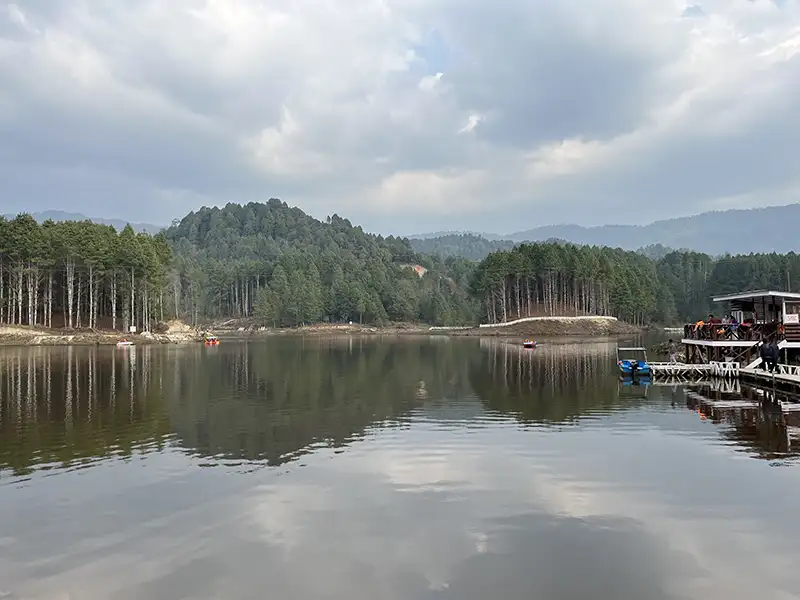
Enjoy boating and the stunning views of the beautiful Siikhe Lake. Surrounded by green hills, fresh mountain air, and complete silence, this lake is perfect if you want peace away from crowded tourist spots.
7. Discover Ziro’s Handloom and Crafts
The Apatani community has a strong tradition of weaving and handicrafts. Look for locally made textiles, bamboo and cane products and other handmade items when exploring the villages. Buying directly from local artisans, where possible, is a simple way of supporting the communities that make Ziro’s cultural landscape unique.
9. Explore the Shiva Lingam at Kardo Forest
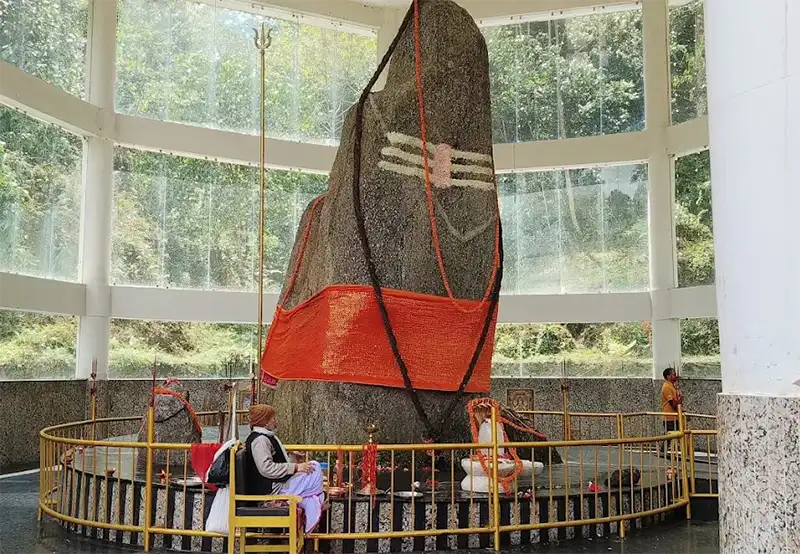
The Shiva Lingam at Kardo Forest is another interesting stop around Ziro. The forest setting adds to the experience, making this a place where spirituality and the natural landscape come together. You can also enjoy a short trek to the Shiva Lingam.
10. Trek Towards Talley Valley
For travellers who enjoy hiking and forests, the Talley Valley region offers an opportunity to explore the rich natural environment surrounding Ziro. Talley Valley is known for its dense forests, mountain landscapes, and biodiversity. Trekking conditions can vary depending on weather and local regulations, so routes should be planned with a local guide.
Experience Apatani Culture in Ziro
The greatest attraction of Ziro is its living culture.
The Apatani community has developed a distinctive relationship with the surrounding environment. Traditional agricultural systems, village institutions, festivals, handloom traditions and customary practices have all contributed to the character of the valley.
The cultural landscape is especially fascinating because agriculture here is not separate from community life. The fields, forests, water channels, villages and surrounding hills form part of one interconnected landscape.
For a more meaningful experience, spend at least one day exploring Ziro at a slower pace rather than trying to cover every attraction.
Ziro Festival of Music
Ziro is also famous internationally for the Ziro Festival of Music, an outdoor independent music festival that began in 2012.
The festival brings independent musicians and music lovers to the valley and has become one of the most distinctive cultural events associated with Ziro. The festival combines music with camping, outdoor experiences and the landscape of the Apatani Valley.
The 2026 Ziro Festival is scheduled for 24–27 September 2026 at the Ziro Festival ground in Biiri, Ziro.
If you plan to travel during the festival, book accommodation and transport well in advance because demand can be significantly higher than during normal travel periods.
Traditional Festivals of Ziro
If cultural immersion is your priority, consider planning your trip around an Apatani festival.
Myoko Festival
Myoko is one of the important traditional festivals of the Apatani community and is associated with community relationships, prosperity and well-being.
Dree Festival
Dree is another important Apatani festival connected with agriculture and the well-being of the community.
Festival dates can vary according to the traditional calendar, so check locally before finalising your travel dates.
Related Read: Traditional Festivals in Northeast India you should visti once
Food, Homestays and Local Life
One of the best ways to experience Ziro is to stay in a locally run homestay.
Instead of treating accommodation simply as a place to sleep, a homestay gives you an opportunity to interact with local families and experience everyday life in the valley.
Food is generally simple, seasonal and locally influenced. Depending on the homestay and season, travellers may find rice, vegetables, local greens and traditional preparations.
If you are interested in food and culture, ask your host about the ingredients and traditions behind the dishes rather than simply ordering a meal.
Best Time to Visit Ziro Valley
The best time to visit Ziro depends on the kind of experience you want.
March to May — Spring
Spring brings pleasant temperatures, fresh greenery and a beautiful landscape.
This is a good season for village walks, photography and exploring the surrounding countryside.
June to September — Monsoon
The monsoon transforms the valley into a lush green landscape.
However, heavy rain can affect road conditions, so travellers should allow flexibility in their itinerary.
September to November — Autumn
This is one of the most attractive periods to visit Ziro.
The weather is generally pleasant, the landscape is beautiful and September brings the Ziro Festival of Music.
December to February — Winter
Winter is cooler and quieter.
It can be a good choice for travellers who prefer fewer visitors and a peaceful experience, although mornings and nights can be cold.
For most travellers, March–May and September–November are the most comfortable periods to explore Ziro. Incredible India also highlights spring and autumn as favourable seasons.
How to Reach Ziro Valley
Ziro is primarily a road-trip destination, and the journey itself is part of the experience.
By Road
Ziro is approximately 100 km from Itanagar and can be reached by road from Itanagar and Naharlagun.
State transport services, shared vehicles and taxis operate on routes connecting Ziro with nearby towns. Nexplore’s existing transport information also lists bus connections from Guwahati, Itanagar and Lakhimpur.
From Guwahati, the journey is considerably longer, so most travellers prefer to break the journey rather than attempt it as a rushed transfer.
By Air
The nearest practical airports include Lilabari Airport in Assam and Hollongi Airport near Itanagar.
According to Incredible India, Lilabari is approximately 123 km from Ziro, while Hollongi Airport is around 135 km away, with the remaining journey by road.
By Train
Naharlagun Railway Station is one of the nearest major railway connections to Ziro and is connected with Assam and other parts of India.
From Naharlagun, continue by road to Ziro.
Permits for Ziro
Arunachal Pradesh has special entry requirements.
Indian travellers: An Inner Line Permit (ILP) is required to enter Arunachal Pradesh.
Foreign travellers: Foreign nationals need the applicable Protected Area Permit (PAP) and must comply with current Arunachal Pradesh entry requirements.
Permit rules can change, so travellers should confirm the latest requirements before departure.
If you book through Nexplore, we can help with the required travel permits and arrange the road journey, accommodation, and local experiences.
How Many Days Do You Need in Ziro?
For a first visit, we recommend 4 -5 days to cover Ziro.
If you are travelling during the Ziro Festival of Music, plan additional days around the festival rather than trying to combine it with a tightly packed Arunachal itinerary.
Ziro Travel Tips
- Carry a valid ID and complete the required Arunachal Pradesh permit formalities before travelling.
- Keep some cash with you, especially when travelling to smaller villages.
- Weather can change quickly, so carry a light rain jacket and warm layers.
- Roads in Arunachal Pradesh can be slow, especially during and after the monsoon.
- Do not rush through villages—allow time for walking and interaction.
- Ask permission before photographing local people.
- Avoid treating traditional communities as photographic attractions.
- Support locally owned homestays, guides and handicraft sellers where possible.
- Carry reusable water bottles and minimise single-use plastic.
- During festival periods, book accommodation and transport early.
Is Ziro Valley Worth Visiting?
Ziro offers something different from the snow-covered mountains and monasteries for which Arunachal Pradesh is often known. Here, the attraction lies in the green valley, traditional villages, pine forests, agricultural landscapes and the living culture of the Apatani people.
It is a destination best experienced slowly.
Walk through the villages. Sit beside the paddy fields. Learn how rice and fish are cultivated together. Talk to a local family. Explore the forests. And if your dates coincide, experience the energy of the Ziro Festival of Music.
Frequently Asked Questions about Ziro Valley
Ziro Valley is famous for its scenic paddy fields, pine forests, Apatani tribal culture, traditional rice-fish cultivation and the Ziro Festival of Music.
The Apatani Cultural Landscape of Ziro is on UNESCO’s Tentative List, but it is not currently an inscribed UNESCO World Heritage Site.
March to May and September to November are generally the most comfortable periods. September is particularly popular because of the Ziro Festival of Music. Paddy fields around the valley turn into golden yellow during this time.
Plan at least 3 days for a comfortable Ziro experience. Four days or more is better if you want to explore villages, nature and cultural experiences without rushing.
Ziro Valley is the traditional homeland of the Apatani people, one of the major tribal communities of Arunachal Pradesh. Apart from this, the Nishi community also lives near the valley.
The Apatani agricultural system traditionally combines wet-rice cultivation with fish rearing and uses carefully managed irrigation and surrounding natural resources.
Yes, foreign travellers can visit Ziro valley. They need to obtain a Protected Area Permit to visit Ziro.
Yes. The paddy fields, traditional villages, Apatani tribes, mountain landscapes, local textiles and seasonal festivals offer excellent opportunities for landscape and cultural photography. Always seek permission before photographing people.
Explore Ziro with Nexplore
Ziro is best experienced with time, local knowledge and respectful cultural interaction. At Nexplore, we design customised Arunachal Pradesh journeys that go beyond standard sightseeing. We can arrange your Ziro Valley tour, accommodation, local experiences, transportation and Arunachal Pradesh permits, and combine Ziro with other destinations such as Tawang, Majuli, Kaziranga or other parts of Arunachal Pradesh.
If you want to experience Ziro beyond the usual tourist stops, talk to us about creating a customised itinerary around your interests—whether that means Apatani culture, photography, slow travel, trekking, village experiences or the Ziro Festival of Music.
Plan Your Arunachal Pradesh Tour
Nexplore Travel has been running Ziro valley tours for international visitors
since 2015. Guests from Sweden, Germany, France, UK, New Zealand, and Singapore
have visited Northeast India with us. We handle all PAP permits, arrange English-speaking
local guides and create private itineraries for your travel dates.
Contact us
📧 support@nexplore.org
💬 WhatsApp: +91 73990 54196
(We respond to WhatsApp from anywhere in the world)
Related Read
10 Best Photography Destinations in Northeast India (2026 Guide)
Ultimate 12-Day Arunachal Pradesh Tour Itinerary
Top 10 offbeat places to visit in Arunachal Pradesh
An offbeat Road Trip to Tawang from Guwahati
Guide to Mechuka Valley Arunachal Pradesh
14 best Festivals of Northeast India
Last Updated on September 28, 2026 by Nexplore Travels