
Northeast India Travel Blog — Tips, Guides & Inspiration | Nexplore Travel"

14 best Festivals of Northeast India: Dates, Locations and How to Attend

Aoleang Festival Nagaland
Facebook
Twitter
Pinterest
WhatsApp

Estimated reading time: 15 minutes

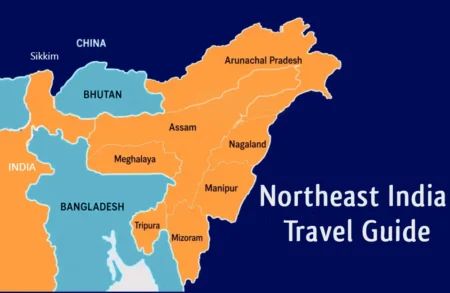
North-East India is the land of colourful tribes, and dance and music flow in the hearts of everybody. It is blessed with nature’s pure bliss, indigenous culture, and heritage. All states in the Northeast celebrate different festivals throughout the year. The vibrant festivals of Northeast India showcase the region’s diverse culture, rich traditions, and deep-rooted heritage. Known for their colorful festivities, these celebrations offer a unique glimpse into the tribal and cultural life of the seven sister states.

List of Festivals in Northeast India

Festival State Month Foreign Visitors
Hornbill Nagaland December ILP required
Losar Arunachal Pradesh February/March ILP required
Torgya Arunachal Pradesh January ILP required
Aoling Nagaland April ILP required
Sekrenyi Nagaland February ILP required
Bihu Assam April No permit
Mopin Arunachal Pradesh April ILP required
Dree Arunachal Pradesh July ILP required
Shad Suk Mynsiem Meghalaya April No permit
Wangala Meghalaya November No permit
Behdeinkhlam Meghalaya July No permit
Chapchar Kut Mizoram March ILP required
Kang Chingba Manipur July No permit
Kharchi Puja Tripura July/August No permit

Among all the wonderful festivals celebrated in Northeast India, a few famous ones are mentioned below:

Best Festivals in Northeast India

1. Rangali Bihu

Rangali Bihu |  hearvest festival celebrated in assam
Rangali Bihu (P.C. Saumalya Ghosh via flickr.com)

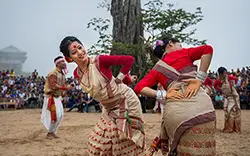
Celebrated on the Assamese New Year’s Day on the 14th of April, this festival heralds the arrival of spring. It is one of the best festivals in Northeast India. This festival lasts for 7 days.  On the first day, Garu Bihu is celebrated, and on the 2nd day, Manuh Bihu is celebrated. Men and women perform Husari and celebrate the whole week.  People enjoy various dishes made from rice and Jalpan during this festival.

Cultural festivals and dance competitions are going on for the whole month in different places in Assam.

  • Significance: Assamese New Year
  • When: Between April 13th and April 15th 
  • Where: Assam

2. Hornbill Festival

Hornbill Festival nagalnd | best festival in northeast india
Hornbill Festival (P.C. Ryan Reid via flickr.com)

Celebrated every year from the 1st to the 10th of December, the Hornbill Festival is one of the grandest cultural events in Northeast India. Popularly known as the “Festival of Festivals,” it brings together all the major tribes of Nagaland to showcase their unique traditions, rituals, and vibrant way of life. All major tribes and ethenic groups of the Northeastern states also take part in this festival. Visitors can experience colourful tribal dances, traditional music, folk songs, indigenous sports, and vibrant attire that reflect the rich Naga heritage.

Handicraft exhibitions, various sports competitions, art displays, and food stalls serving authentic Naga cuisine add charm to the festival. In the evenings, modern attractions like Hornbill rock concerts and fashion shows keep the festive spirit alive, making it a blend of tradition and modernity. The festival not only celebrates cultural diversity but also promotes unity among the tribes of Nagaland. 

Significance 

Celebrates Naga heritage across all seventeen tribes 

When:  1–10 December (fixed every year) 

Where: Kisama Heritage Village, near Kohima, Nagaland

Permit: Foreign visitors need – Inner Line Permit (we arrange this)

 
NAGALAND • DECEMBER

Experience the Hornbill Festival in Nagaland

Go beyond the festival stage and explore Naga villages, traditional food, local markets and tribal culture with a locally planned private journey.

Explore Hornbill Festival Tours

3. Sangai Festival

Sangai Festival manipur
Sangai Festival

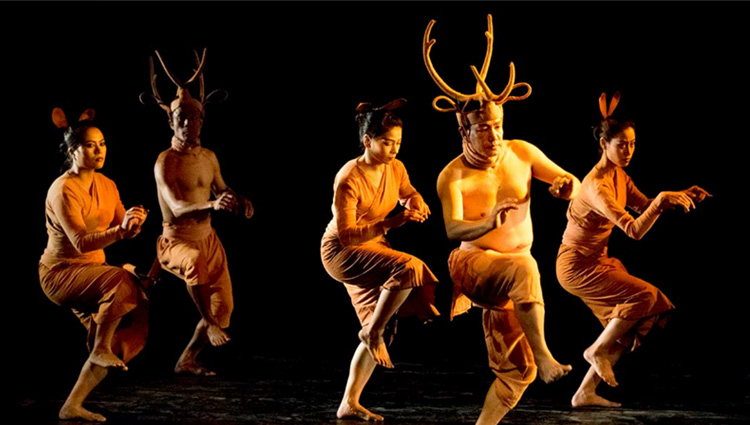
Celebrated every year in the last ten days of November, the Sangai Festival is the biggest cultural festival of Manipur. Named after the rare and graceful Sangai deer, found only in Manipur’s Keibul Lamjao National Park, this festival showcases the state’s rich cultural heritage, dance, music, crafts, and cuisine. Tourists can witness the famous Manipuri dance forms, indigenous sports like polo (believed to have originated in Manipur), and traditional martial arts performances. The festival also features handloom and handicraft exhibitions, adventure activities, and food fairs where visitors can taste authentic Manipuri dishes. The Sangai Festival is not just a celebration of art and culture but also a tribute to the natural beauty and biodiversity of Manipur.

Significance: Showcases Manipur’s rich culture and promotes the conservation of the Sangai deer
When: Annually in the last 10 days of November
Where: Various venues across Manipur, mainly in Imphal

4. Losar Festival

Losar Festival, top festivals of northeast india
Losar Festival (P.C. Raju Singh)

Losar, the Tibetan New Year, is one of the most vibrant and cherished festivals celebrated by Tibetan communities around the world. It is celebrated in Tawang in Arunachal Pradesh. Rooted in ancient traditions, Losar marks the end of the harsh winter season and the beginning of a new year filled with hope, prosperity, and happiness.

The preparations for Losar begin well in advance, as families clean their homes to ward off evil spirits and invite positivity. Homes are decorated with traditional symbols, colorful flags, and offerings for deities. Monasteries come alive with vibrant Cham dances (masked dances) performed by monks in colorful attire. These dances depict tales of good triumphing over evil and invoke blessings for the year ahead.

Another highlight is the hoisting of prayer flags, which flutter in the wind, spreading peace and goodwill. Villages and towns light up with festivities, and locals don their best traditional attire, including colorful gowns and ornaments.

When and Where

  • When: Losar falls in either February or March, depending on the Tibetan lunar calendar.
  • Where: Celebrated across Tibetan Buddhist regions, with major festivities in Ladakh, Dharamshala, Tawang, Sikkim, and parts of Bhutan.
  • Significance: New Year for Monpas and Tibet, festival of prosperity


5. Aoleang Festival
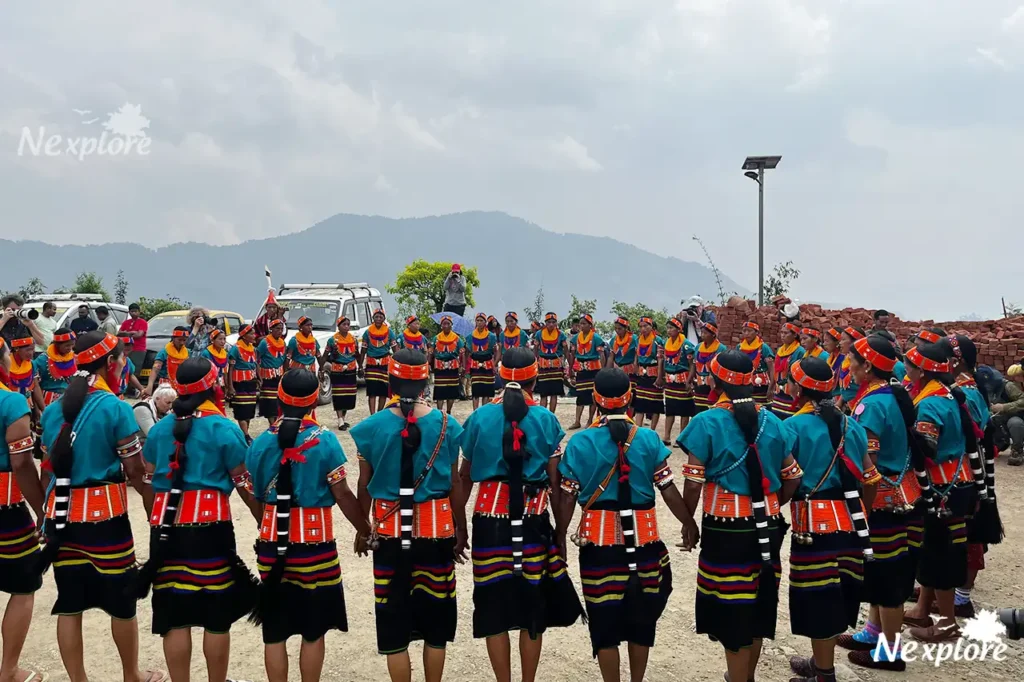
Aoleang Festival Nagaland | Major festival celebrated by the Konyak naga tribes
Aoleang Festival celebration at Longwa


Aoleang Festival Longwa | Konyak naga tribes
Konyak man ready for Aoleang Festival

The Aoleang Festival is one of the most vibrant and significant celebrations of the Konyak tribe of  Nagaland.  Observed every year in the first week of April, this festival marks the arrival of spring and the start of a new year for the Konyak community. It’s a time for the Konyak people to thank their deities for blessings, pray for a bountiful harvest, and prepare for the agricultural cycle ahead.

The festival is a visual feast with folk dances, traditional songs, and rhythmic drumming that reflect the Konyak way of life.  various games are also held during this festival. These performances are often accompanied by the blowing of buffalo horns and the chanting of ancient tribal prayers.

Whether you’re a culture enthusiast, a photographer, or simply a curious traveller, this festival is sure to leave you enchanted.  Want to explore more about the Konyak tribe of Nagaland?  Read our guide on Konyak headhunters of Nagaland. 

  • Significance – Denotes end of sowing season
  • When – April 1 to April 10
  • Where – The festival is celebrated across villages in the Mon district, with Longwa and Mon Town being popular places to experience the grandeur of Aoleang.
 
KONYAK CULTURE • NAGALAND

Want to Experience Konyak Culture Beyond the Festival?

Travel to Longwa and the remote villages of Nagaland to experience Konyak traditions, community life and landscapes beyond the usual tourist trail.

Explore Nagaland Tours

6. Mopin

Mopin Festival | northeast india festival
Mopin Festival (p.c. Arif Shiddque)

Mopin Festival is one of the most colorful and joyous celebrations of the Galo tribe in Arunachal Pradesh. Celebrated annually in April, this harvest festival marks the arrival of prosperity, good health, and a bountiful harvest. It is a time of community gathering, traditional rituals, and cultural performances, making it a vibrant spectacle for anyone lucky enough to witness it. The highlight of Mopin Festival is the smearing of rice flour (Etting) on each other’s faces as a symbol of purity, peace, and prosperity. This act also represents unity within the community. 

The Galo people wear their finest traditional clothing during Mopin. The men sport coats and headgear made from animal fur, while women wear intricately woven skirts and beaded necklaces. The entire village is decorated with bamboo structures, colorful flags, and symbols of prosperity. It is one of the best festivals in Northeast India if you are interested in the culture and traditions of different tribes. 

When and Where

  • When: The Mopin Festival is celebrated in the first week of April every year.
  • Where: It is primarily observed in the Galo-dominated regions of Arunachal Pradesh, with major celebrations in Basar, Along (Aalo), and Itanagar.
  • Significance: Harvest festival

Curious to know more about festivals in Arunachal Pradesh! We help you to plan your Arunachal Pradesh tour during Mopin festival.

Music performance at ziro music festival , Arunachal pradesh

7. Ziro Music Festival

The Ziro Music Festival is a four-day outdoor music festival held in the beautiful Ziro Valley of Arunachal Pradesh. Started in 2012, it brings together independent musicians, music lovers and travellers from India and around the world. Set among the green hills and paddy fields of the Apatani Valley, the festival combines live music, camping and local culture. It is also a wonderful opportunity to explore the traditional Apatani villages and experience the peaceful landscape of Ziro beyond the festival grounds.

When and Where

  • When:  Ziro Festival is celebrated in the mid of September every year.
  • Where: It is a International Music Festival take place in Ziro Valley, Arunachal Pradesh
  • Significance: Music Festival

8. Myoko Festival

myoko festival of Apatani tribe
Apatani women at Myoko festival

The Myoko Festival is one of the most vibrant and significant festivals celebrated by the Apatani tribe in the Ziro Valley of Arunachal Pradesh. This unique festival, observed in the month of March, a time to seek blessings for fertility and prosperity, and honour the ancinenet traditions passed down through generations. It is dedicated to the village deity, Ayu Danyi, and other spirits, seeking their blessings for a bountiful harvest, good health, and strong bonds within the community.

Myoko also serves as a platform to reinforce friendship and unity among the Apatani villages. Each year, one village is chosen to host the festival, and the hosting responsibilities rotate among the Apatani villages in a traditional cycle.

The festival comes alive with energetic traditional dances and melodious folk songs performed by men and women dressed in colorful Apatani attire. These performances often narrate stories of tribal legends, nature, and communal harmony.

When and Where

  • When: The Myoko Festival is celebrated annually in March.
  • Where: The festival is primarily observed in the Ziro Valley, a UNESCO World Heritage Site in Arunachal Pradesh.

Planning a visit to Ziro Valley? Don’t miss out on the Myoko Festival and other cultural highlights of this picturesque destination. Read our full guide to Ziro Valley to plan your trip!

 
APATANI CULTURE • ARUNACHAL PRADESH

Explore Ziro Valley Through Its Living Culture

Discover Apatani villages, traditional farming, local crafts and cultural traditions through a slower, locally guided journey in Ziro Valley.

Explore Arunachal Pradesh Tours

9. Shad Suk Mynsiem

Shad Suk Mynsiem Festival | best festival of northeast
Shad Suk Mynsiem Festival

Shad Suk Mynsiem is one of the most vibrant and sacred festivals celebrated by the Khasi tribe of Meghalaya. Rooted in the matrilineal traditions and agricultural heritage of the Khasi community, this spring festival is a tribute to nature, marking the end of the sowing season and offering prayers for a bountiful harvest. Unmarried women take part in this dance and men dance around them in circles. This is celebrated by the Khasi tribal community in Shillong. Festivities go on for three days. 

Celebrated with traditional dances, rituals, and joyous gatherings, Shad Suk Mynsiem is a unique cultural experience that reflects the harmony between nature, spirituality, and human life.

The festival spans over three days and takes place in April, typically in Shillong, the capital of Meghalaya. The festival begins with prayers and offerings to U Blei Nongthaw (the Creator) and Ka Mei Ram-ew (the Earth Mother). These rituals invoke blessings for the people and the land.

When and Where

  • When: The festival is celebrated annually in April, marking the start of the Khasi New Year.
  • Where: The primary celebration takes place at the Weiking Ground in Shillong, but similar events are observed in Khasi-dominated villages across Meghalaya.

Visiting Meghalaya during Shad Suk Mynsiem offers a rare glimpse into the rich cultural heritage of the Khasi tribe. The festival is a harmonious blend of spiritual rituals, vibrant performances, and a celebration of unity. It’s an unforgettable experience that connects visitors to the essence of Khasi culture and their reverence for nature.

10. Wangala Festival (Hundred Drums Festival)

Wangala, also known as the Hundred Drums Festival, is the most important post-harvest festival of the Garo community. It is a thanksgiving celebration for a good harvest and is traditionally dedicated to Misi Saljong, the Sun God associated with fertility. The festival is known for its powerful drumbeats, colourful traditional clothing, dancing and Garo cultural traditions.

  • When: Usually celebrated in the second week of November every year.
  • Where: Celebrated across the Garo Hills, with the major Hundred Drums event traditionally associated with Asanang near Tura, West Garo Hills.

11. Behdeinkhlam

Behdeinkhlam Festival | vibrant festival in northeast india
Behdeinkhlam Festival (PC Kyle suting via flickr.com)

The Behdeinkhlam Festival is one of the most vibrant and spiritually significant festivals celebrated by the Pnar tribe of the Jaintia Hills in Meghalaya. This is a four-day-long religious festival, celebrated by people belonging to the faith of “KaNiamTre”. Held annually in July after the sowing season, this festival is a ritualistic prayer to the divine forces for a bountiful harvest, protection from diseases, and the well-being of the community.

The name “Behdeinkhlam” translates to “chasing away the plague,” and the festival is a colorful amalgamation of faith, traditional rituals, and joyful community participation. This festival includes offering food to the ancestors of NiamTre and fetching a sacred log of wood. At this festival, people wear their traditional clothing, adorned with colorful fabrics, ornaments, and headgear, adding to the festival’s visual appeal. Traditional drumbeats, flutes, and chants fill the air, creating an atmosphere of joy and devotion. Group dances and songs reflect the community’s shared values and heritage.

  • Significance:  Festivities end when the Raths are immersed in water
  • When: The Behdeinkhlam Festival is celebrated annually in July, just before the harvest season.
  • Where: Jowai, Meghalaya

12. Kang Chingba(Rath Yatra)

Kang Chingba | unique northeast india festival
Kang Chingba

Kang Chingba, the Rath Yatra of Manipur, is one of the most important festivals celebrated by the Meitei community, especially the followers of Vaishnavism in the state. This annual festival, held in the month of July, is dedicated to Lord Jagannath, along with his siblings Balabhadra and Subhadra. Much like the famous Rath Yatra of Puri in Odisha, Kang Chingba is marked by grand processions, traditional rituals, and immense devotion. The grandest celebrations occur at Shree Govindajee Temple in Imphal, but the festival is also observed in other parts of Manipur with Vaishnav temples.

The name “Kang” refers to the chariot or rath, and “Chingba” means to pull—symbolizing the pulling of the deity’s chariot by devotees as a gesture of devotion.

  • Significance – Exactly similar to the Jagannath Rath Yatra Festival in Odisha
  • When – July
  • Where – The grandest celebrations occur at Shree Govindajee Temple in Imphal, but the festival is also observed in other parts of Manipur with Vaishnav temples.

13. Kharchi Puja

Kharchi Puja
Kharchi Puja celebration in Tripura

Kharchi Puja is one of the most vibrant and significant festivals of Tripura, celebrated in honor of the Fourteen Gods worshipped by the Indigenous communities of the state.  It is celebrated for 7 days. This grand festival, held annually in July, is a unique blend of tribal customs and Hindu rituals, making it a fascinating cultural spectacle. According to legend, the festival originated as a ritual to cleanse the earth and wash away sins after the Ambubachi Mela, when the land was believed to be impure.

The word “Kharchi” comes from the Kokborok language, meaning “earth”, symbolizing the purification of the land and deities. The festival is deeply rooted in the ancient traditions of Tripura’s Manikya dynasty, reflecting the rich heritage of the region. 

  • Significance – This very religious festival is accompanied by large fairs
  • When – July/August
  • Where – Chaturdasha Devta Temple, Old Agartala, Tripura

14. Torgya

Torgya Festiva
Torgya Festival

This is a 3 day long monastic festival, celebrated with lots of colours in Tawang monastery of Arunachal Pradesh. Monks perform sacred dances wearing face masks and colourful costumes as they celebrate this festival to usher in peace and prosperity.

  • Significance – Chham, the sacred dance of select monks, is the speciality of this festival
  • When – 28th day of 11th month in the lunar calendar (usually January)
  • Where – Tawang Monastery, Arunachal Pradesh

Apart from these few other famous festivals celebrated in the Northeastern states of India are –

    1. Sekrenyi Festival, Nagaland: It is a 10-day long purification and sanctification festival celebrated by the Angami tribes of Nagaland. It marke the start of the Angami lunar year.
    2. Sangai Festival, Manipur: Celebrated in November, this festival showcases Manipuri culture through traditional dances, art exhibitions, cuisine, and adventure sports. It is named after the Sangai deer, Manipur’s state animal.
    3. Ambubachi Mela, Assam: Held at the famous Kamakhya Temple in Guwahati, this spiritual festival in June celebrates the divine feminine power and attracts pilgrims from across the country.
    4.  Dree Festival, Arunachal Pradesh: This festival is celebrated by Apatani tribes of Ziro Valley.
    5. Losar Festival, Sikkim: Celebrating the Tibetan New Year, Losar features prayers, cultural performances, and rituals at monasteries.
    6. Raas Leela: Raas Leela in Manipur is a mesmerising classical dance-drama that depicts the divine love story of Lord Krishna and Radha, performed with graceful movements and soulful music. Rooted in Vaishnavism, this sacred dance form is an integral part of Manipuri culture, especially showcased during Janmashtami and Holi at temples like Shree Govindajee Temple in Imphal.

Frequently Asked Questions

What is the best festival to visit in Northeast India?

Hornbill Festival is the most accessible for first-time visitors — ten days, all seventeen Naga tribes in one location, reasonable infrastructure. For a smaller and less-visited experience, Aoling in Mon district or Dree in Ziro valley suit travellers who prefer village-level festivals over a large staged gathering.

Can foreign tourists attend tribal festivals in Northeast India?

Yes. Most festivals are open to visitors. Nagaland, Arunachal Pradesh and Mizoram require foreign nationals to hold an Inner Line Permit, which needs to be arranged in advance. Assam, Meghalaya, Manipur and Tripura festivals require no permit.

Which Northeast India festivals happen in December?

Hornbill Festival in Nagaland is the major one, running 1–10 December. It’s also peak season for Kaziranga wildlife tours. It is also the best time to visit Northeast India.

Do I need a guide to attend these festivals?

Festivals in the Northeast are locally connected; an operator makes a real difference in both access and permit handling. Village visits and local guide arrangements

     
    FOR INTERNATIONAL TRAVELLERS

    Plan a Northeast India Festival Tour

    Tell us which festival interests you, when you want to travel and how you like to travel. We can create a private itinerary around the festival, including permits, transport, local guides and cultural experiences.


    Like It! Pin It!


    Last Updated on September 24, 2026 by Nexplore Travels

    Table of Contents

    Need trip planning assistance?

    Check out top selling tour packages

    Have you checked our customized tour packages yet? We have handpicked exciting destinations just for you. Browse our selection and discover something extraordinary. View Packages

    Explore Northeast India holiday packages

    assam tour packages
    Assam Tour Packages
    meghalaya tour packages
    Meghalaya Tour Packages
    An offbeat Road Trip from Guwahati to Tawang
    Arunachal Pradesh Tour Packages
    Nagaland tour packages
    Nagaland Tour Packages
    Sikkim Tour Packages

    Northeast India at a Glance

    Find information on how to plan a hassle free tour to Northeast India. We put together detailed information on  everything you want to know before planning your holiday in the Northeast Frontier of India

    Plan your trip