
Estimated reading time: 17 minutes
Arunachal Pradesh: India’s Last Frontier – A Journey Through Hidden Himalayan Valleys
Nestled in the far northeastern corner of India, Arunachal Pradesh remains one of Asia’s last great travel frontiers. While international visitors often flock to Nepal, Bhutan, Ladakh, or the Indian Himalayas of Himachal Pradesh, a lesser-known world exists beyond the well-trodden tourist routes—a land of untouched valleys, snow-capped peaks, ancient monasteries, and indigenous communities that have preserved their traditions for centuries. Arunachal Pradesh is one of the best offbeat destinations in India.
Known as the “Land of the Dawn-Lit Mountains,” Arunachal Pradesh is India’s easternmost state and the first place in the country to witness the sunrise. Sharing borders with Bhutan, Tibet (China), and Myanmar, the region offers an extraordinary blend of Himalayan landscapes, rich biodiversity, and vibrant tribal cultures.
Unlike many popular mountain destinations that have become crowded and commercialized, Arunachal Pradesh remains remarkably untouched. Here, travellers can drive for hours through dense forests without encountering another tourist, stay in traditional village homestays, and explore valleys where nature still dominates the landscape.
For adventurous international travellers seeking authentic experiences, Arunachal Pradesh represents something increasingly rare in today’s world—a destination that still feels undiscovered.
Looking for ready-made packages? Explore our Arunachal Pradesh Tour Packages
Authentic Cultural Experiences
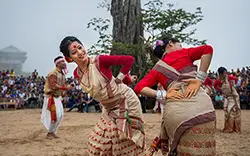
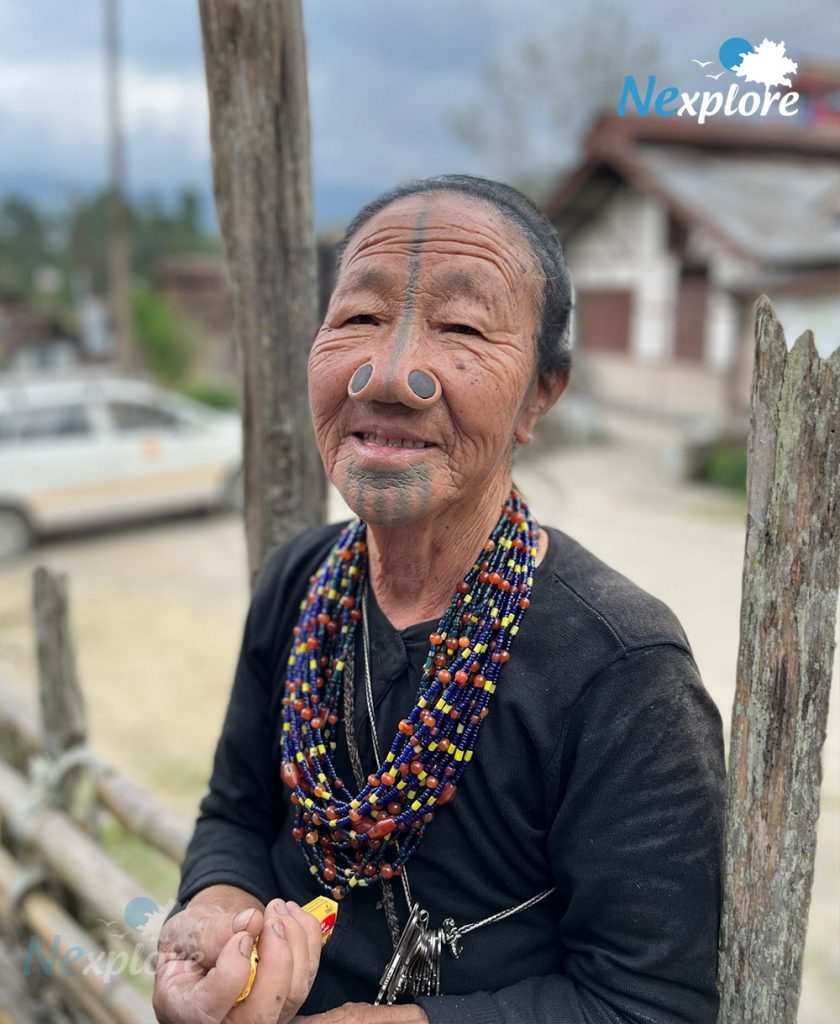
The state is home to more than 26 major tribes and over 100 sub-tribes, each possessing unique customs, languages, festivals, and traditions. Unlike many cultural destinations where traditions are presented primarily for tourists, tribal culture in Arunachal Pradesh remains deeply woven into everyday life.
Visitors can interact with local communities, learn about traditional farming methods, witness ancient craftsmanship, and experience hospitality that feels genuine rather than commercial.
Uncrowded Himalayan Landscapes
One of Arunachal Pradesh’s greatest attractions is what it lacks—crowds.
Many valleys receive only a handful of international visitors each year. Popular viewpoints that would attract thousands elsewhere remain quiet and peaceful.
For photographers, hikers, and nature lovers, this sense of solitude is priceless.
Planning to visit as an international tourist?
Foreign nationals require a Protected Area Permit (PAP) to enter Arunachal Pradesh. Nexplore arranges all permits on your behalf — you only need to send us your passport copy. Processing takes 5–7 working days.
Read our complete permit guide for foreign visitors → | WhatsApp us to plan your tour
Top hidden destination in Arunachal Pradesh
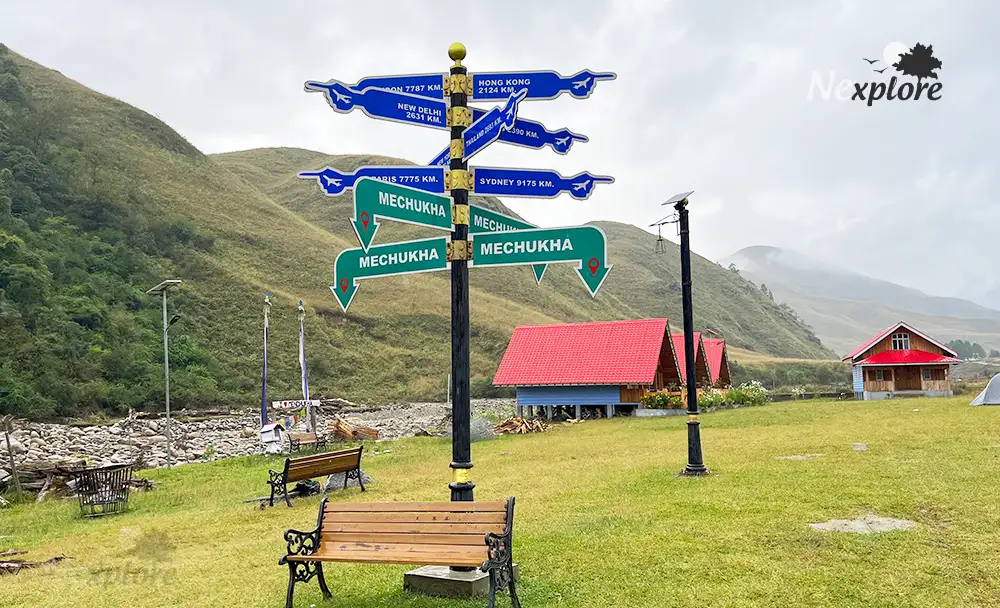
1. Mechuka: Arunachal’s Hidden Alpine Paradise
Elevation: Approximately 1,830 meters (6,000 feet)
Best Time to Visit: October to April
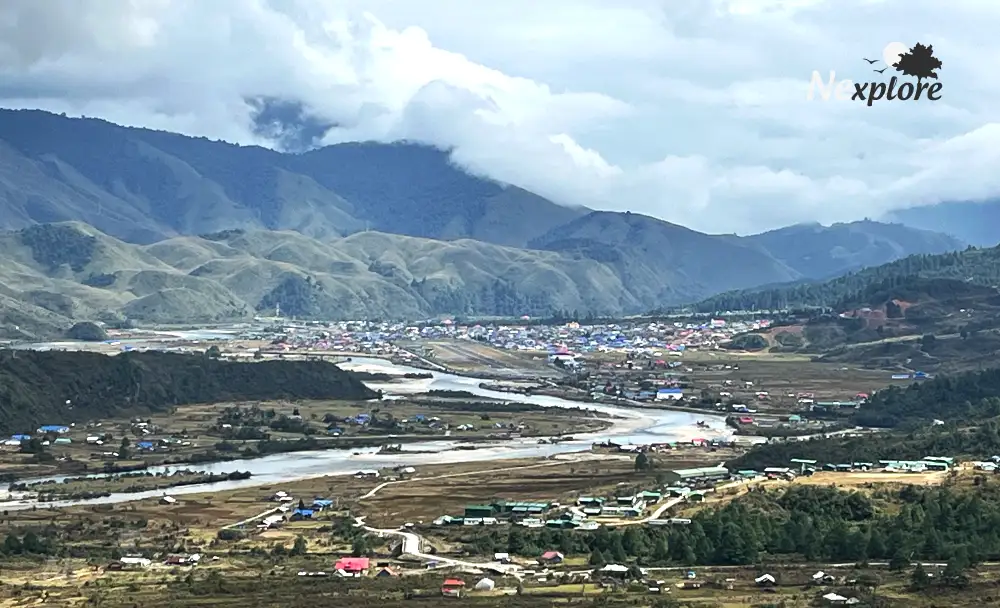
Tucked away in the Shi-Yomi district near the Tibetan border, Mechuka is often described as one of the most beautiful valleys in the entire Himalayas. Yet surprisingly few foreign travellers have heard of it.
Surrounded by towering mountains and dotted with traditional wooden houses, Mechuka offers a landscape that feels more like a hidden corner of Bhutan or Tibet than modern India. Check out our guide to Mechuka Valley to read more about Mechuka.
Why Visit Mechuka?
The valley combines dramatic scenery with rich cultural heritage. Wide grasslands stretch across the valley floor while the Siyom River winds peacefully through the landscape.
Mechuka delivers the Himalayan experience many travellers seek—without the crowds, commercialisation, or tourist infrastructure found in more famous destinations.
The local Memba tribe, who practice Tibetan Buddhism, add a unique cultural dimension to the destination.
Experiences in Mechuka
- Explore centuries-old Samten Yongcha Monastery
- Visit traditional Memba villages
- Enjoy mountain biking through scenic trails
- Photograph snow-covered peaks
- Experience authentic homestays
Temperature Guide
| Season | Day Temperature | Night Temperature |
|---|---|---|
| Winter | 5°C–15°C | -5°C–5°C |
| Spring | 10°C–22°C | 2°C–10°C |
| Summer | 15°C–25°C | 10°C–15°C |

2. Anini: One of India’s Most Remote Destinations
Elevation: Approximately 1,968 meters (6,450 feet)
If there is one destination that truly embodies the spirit of exploration, it is Anini.
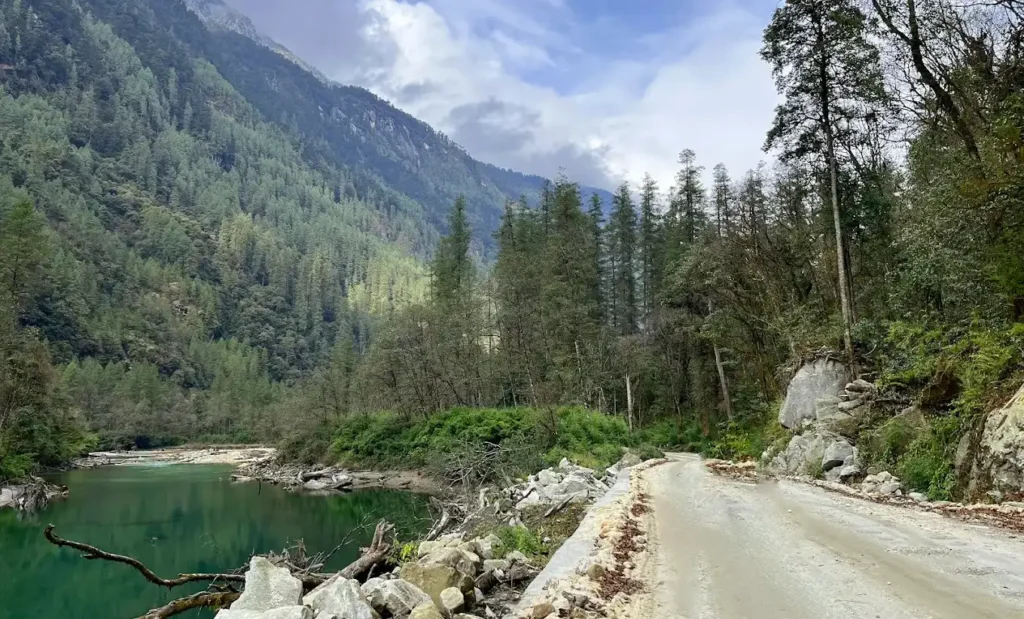
Located in the Dibang Valley district, Anini is one of India’s most remote settlements. Reaching it requires patience and determination, but the reward is access to landscapes that remain largely untouched by modern tourism.
The Journey Is Part of the Adventure
The roads leading to Anini pass through:
- Deep river gorges
- Dense forests
- Waterfalls
- Mountain passes
- Isolated tribal villages
The journey itself becomes one of the most memorable parts of the experience.
What Makes Anini Special?
Unlike established tourist destinations, Anini feels genuinely wild.
There are no crowded attractions, no souvenir markets, and very little commercial development.
Instead, travelers discover:
- Pristine wilderness
- Crystal-clear rivers
- Endless mountain views
- Authentic tribal communities
Temperature Guide
| Season | Day Temperature | Night Temperature |
|---|---|---|
| Winter | 3°C–14°C | -2°C–4°C |
| Spring | 10°C–22°C | 4°C–10°C |
| Summer | 15°C–25°C | 10°C–15°C |
Ideal For
- Adventure travelers
- Wildlife photographers
- Road trip enthusiasts
- Slow travelers
3. Tuting
Elevation: Approximately 1,550 meters (5,085 feet)
Tuting sits near one of India’s most remote international borders and serves as a gateway to some of the most untouched landscapes in the Eastern Himalayas.
The mighty Siang River—known upstream as the Yarlung Tsangpo in Tibet—flows through the region, creating dramatic valleys and dense rainforest ecosystems.
Why Tuting Deserves a Place on Your Bucket List
Few destinations in India offer such a powerful combination of wilderness, culture, and remoteness.
Visitors can:
- Explore tribal villages
- Photograph dramatic river landscapes
- Experience remote Himalayan life
- Enjoy some of India’s most scenic road journeys
Temperature Guide
| Season | Day Temperature | Night Temperature |
|---|---|---|
| Winter | 10°C–20°C | 5°C–10°C |
| Spring | 15°C–25°C | 10°C–15°C |
| Summer | 20°C–30°C | 15°C–20°C |
For True Explorers
Tuting is not a destination for travelers seeking luxury resorts or nightlife. It is for those who value raw landscapes and meaningful cultural experiences.
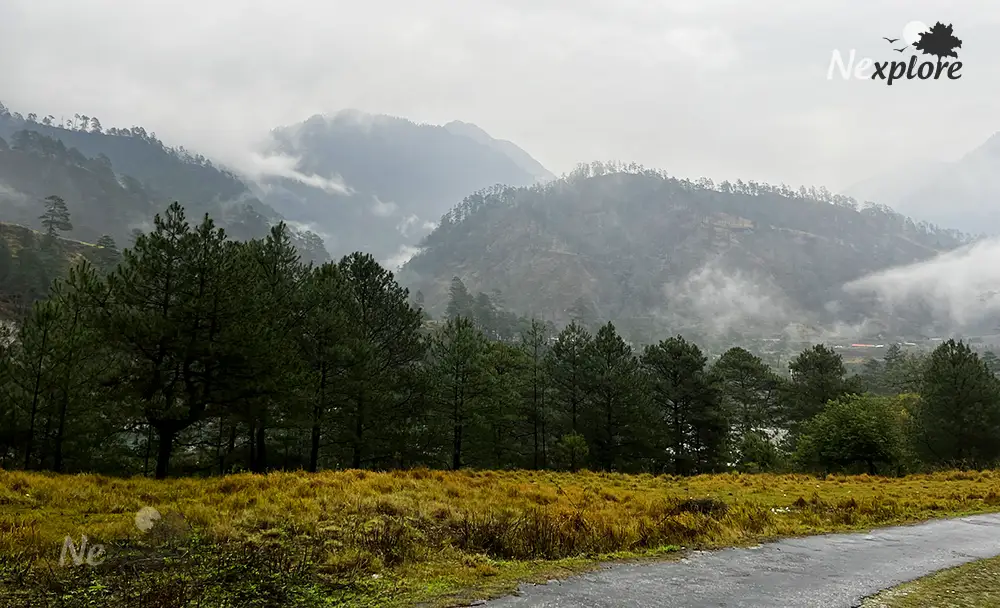
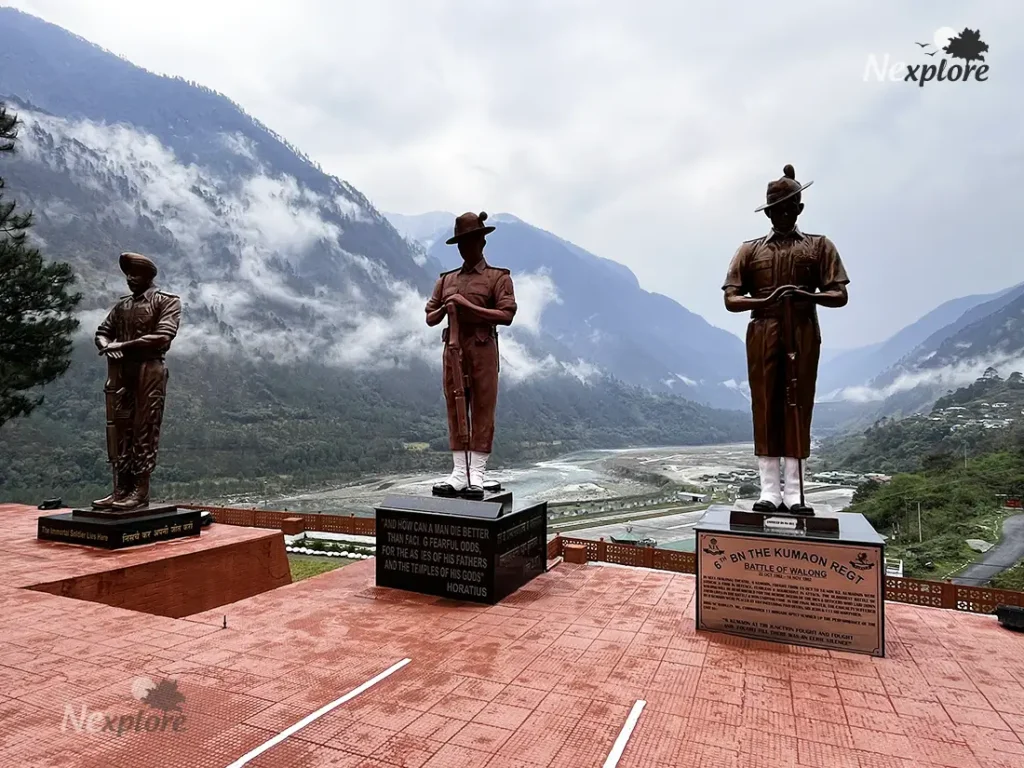
4. Dong Valley: Witness India’s First Sunrise
Located near the borders of China and Myanmar, Dong Valley occupies a unique geographical position in eastern Arunachal Pradesh. It is widely recognised as one of the first inhabited places in India to receive sunlight each morning.
Watch the first sunrise in India
Travellers often undertake a pre-dawn trek to reach the famous sunrise viewpoint and witness India’s first sunrise. The trek generally starts at 2 am and takes around 1- 2 hours. The best time for this trek is from October to February. As the first rays of sunlight illuminate the mountains, the surrounding valleys gradually emerge from darkness, creating a magical experience.
Dong Valley is celebrated as one of the first places in India to greet the morning sun. Because India observes a single time zone (Indian Standard Time – IST), the local clock time in eastern Arunachal Pradesh sits significantly behind the natural solar cycle. As a result, dawn breaks much earlier here than in the rest of the country.
-
Sunrise Timings: First light hits the peaks as early as 4:30 AM in the summer months (May–July) and around 5:15 AM during peak winter (November–January).
-
Trek Start Time: To reach the designated sunrise viewpoint on the ridge in time for the first rays, trekkers must start walking around 2:00 AM to 3:00 AM depending on the season, weather conditions, and personal trekking pace.
-
What to Pack: The pre-dawn trail is pitch black and steep—carry a reliable headlamp or torch, wear sturdy hiking boots, and layer warm, windproof clothing, as temperatures at the ridge drop significantly before dawn.
Temperature Guide
| Season | Day Temperature | Night Temperature |
|---|---|---|
| Winter | 5°C–15°C | 0°C–5°C |
| Spring | 12°C–22°C | 5°C–12°C |
| Summer | 18°C–28°C | 12°C–18°C |
Why It’s Special
Witness the first sunrise in India.
Check our Dong Valley tour packages.
5. Sangti Valley: A Hidden Himalayan Escape
Elevation: Approximately 1,500 meters (4,920 feet)
Best Time to Visit: October to April
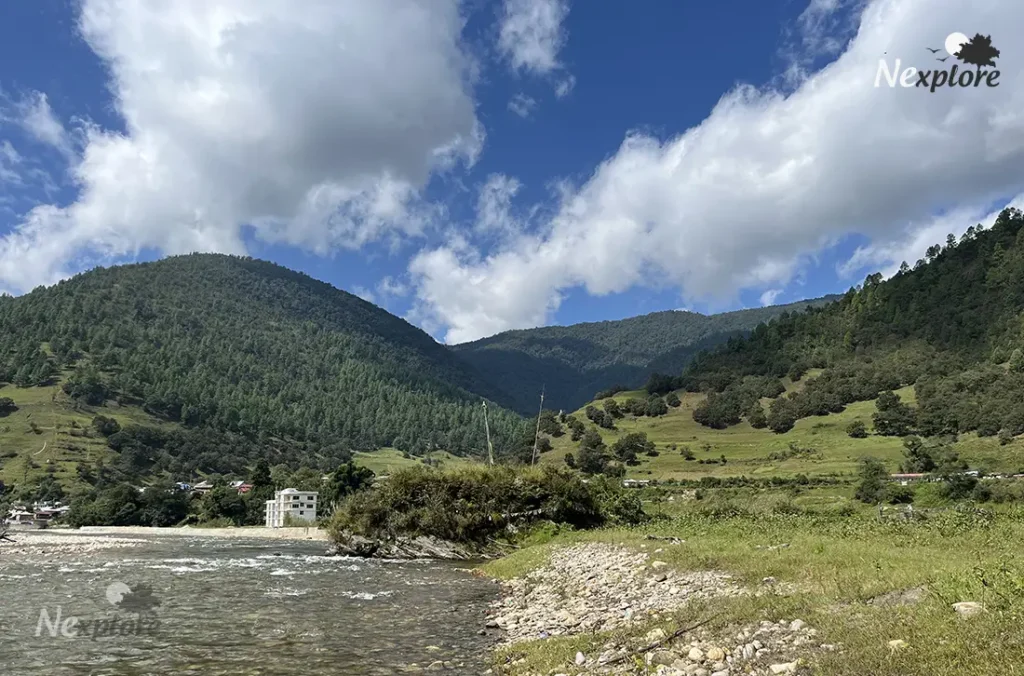
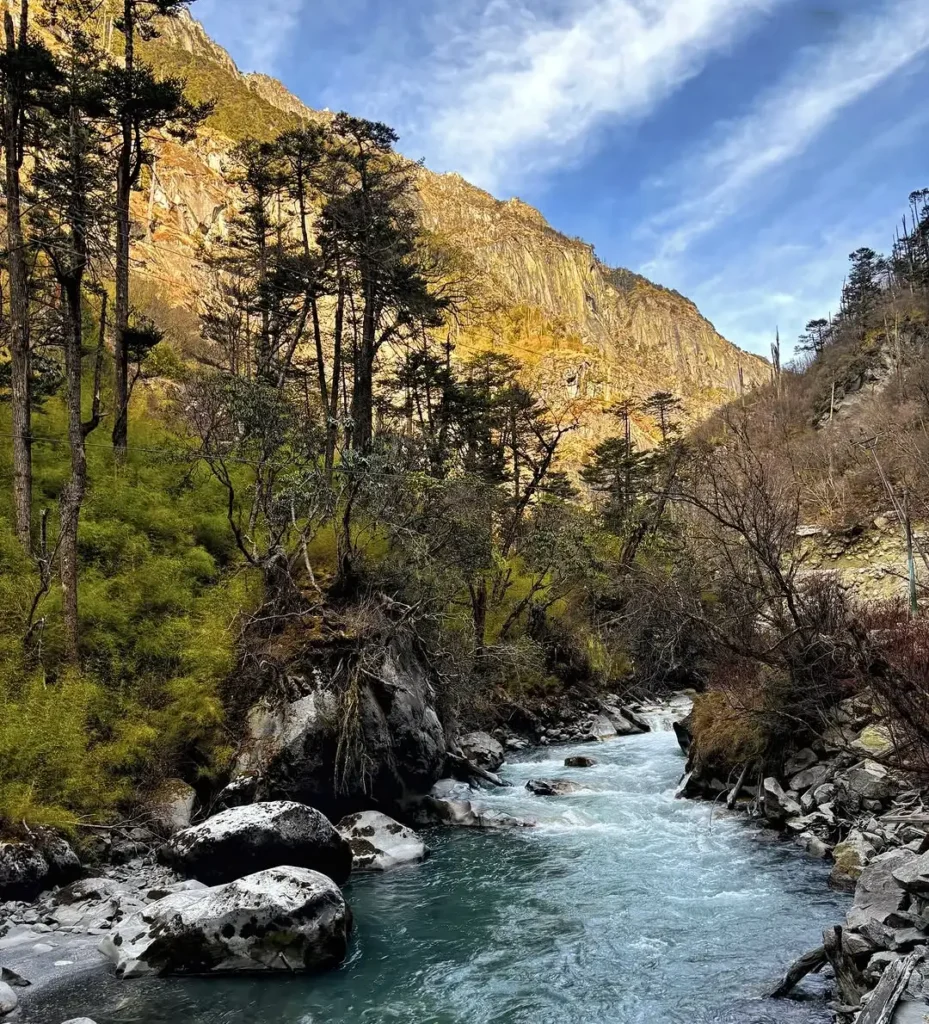
Nestled just a short drive from Dirang in West Kameng district, Sangti Valley is one of Arunachal Pradesh’s most underrated destinations. While many travellers continue directly toward Tawang, those who spend time in Sangti discover a peaceful Himalayan valley surrounded by pine forests, apple orchards, traditional villages, and crystal-clear mountain streams.
Unlike some of the state’s more remote destinations, Sangti Valley is easily accessible while still retaining its offbeat charm. The valley offers an ideal introduction to Arunachal Pradesh for foreign travellers seeking nature, culture and tranquillity without venturing too far off the beaten path. Check out our Sangti Valley tour package.
Why Visit Sangti Valley?
The Sangti River meanders through the valley, creating picturesque landscapes that change with every season. During winter, the valley occasionally hosts the rare Black-necked Crane, a migratory bird revered in Buddhist culture. Sangti Valley offers a slower pace of travel, allowing visitors to connect with nature and local communities. Its untouched landscapes and peaceful atmosphere make it perfect for travelers seeking a Himalayan experience beyond crowded tourist destinations.
Visitors can enjoy:
- Scenic nature walks
- Traditional Monpa villages
- Riverside picnics
- Apple orchards
- Photography opportunities
- Local cultural experiences
Temperature Guide
| Season | Day Temperature | Night Temperature |
|---|---|---|
| Winter | 5°C–15°C | 0°C–5°C |
| Spring | 12°C–22°C | 5°C–12°C |
| Summer | 15°C–25°C | 10°C–15°C |
6. Mago Valley: Hidden High-Altitude Wilderness
A Journey Beyond Tawang
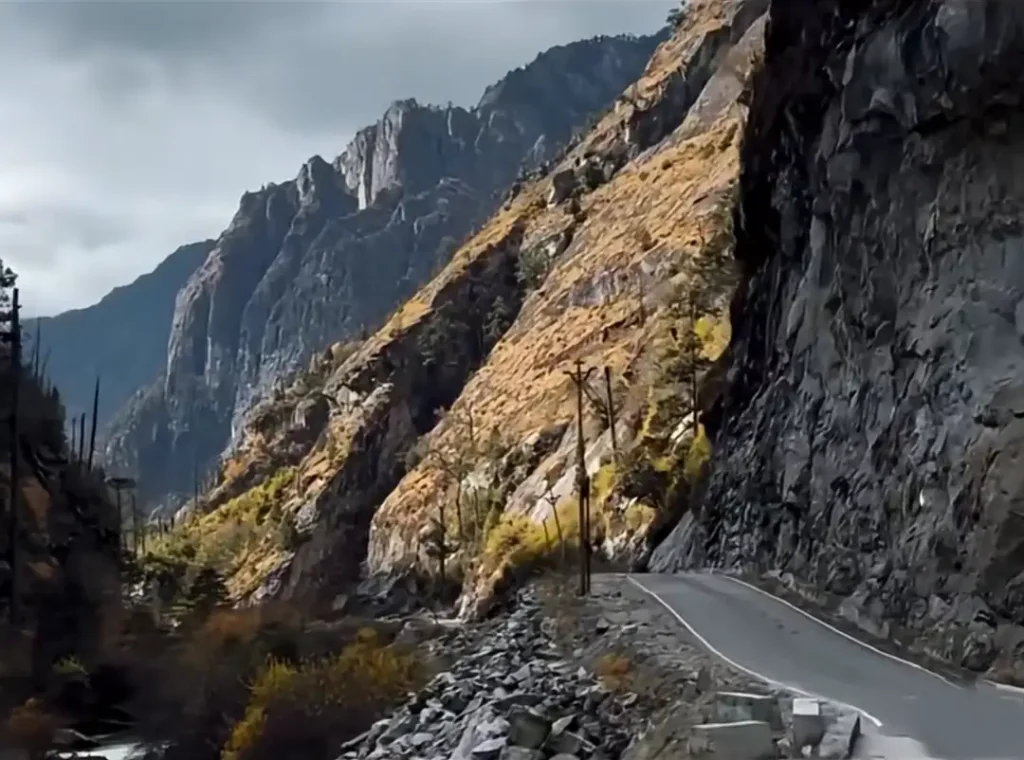
Located about 100 km from Tawang, Mago Valley remains one of the least-visited destinations in Arunachal Pradesh. Nestled at an elevation of approximately 3,000–3,500 meters (9,800–11,500 ft), the valley offers dramatic mountain scenery, traditional Monpa settlements, and a sense of isolation rarely found in modern travel destinations.
Unlike Tawang, which has become increasingly popular among domestic travellers, Mago Valley remains largely untouched by tourism.
Why Visit Mago Valley?
- Remote Himalayan landscapes
- Traditional Monpa villages
- High-altitude meadows
- Crystal-clear mountain streams
- Authentic cultural experiences
- Spectacular road-trip adventure
Temperature Guide
| Season | Temperature |
|---|---|
| Summer (May–June) | 8°C to 18°C |
| Autumn (Sep–Nov) | 2°C to 15°C |
| Winter (Dec–Feb) | -10°C to 8°C |
Experiences
Explore Traditional Monpa Villages
The villages around Mago provide opportunities to witness centuries-old lifestyles that remain closely connected to Tibetan Buddhist traditions.
Landscape Photography
Snow-capped peaks, grazing yaks, prayer flags, and dramatic cloud formations make Mago a paradise for photographers.
Himalayan Wildlife Spotting
The surrounding wilderness supports a variety of Himalayan wildlife, including rare birds and mountain mammals.
7. Zemithang: The Forgotten Himalayan Borderland
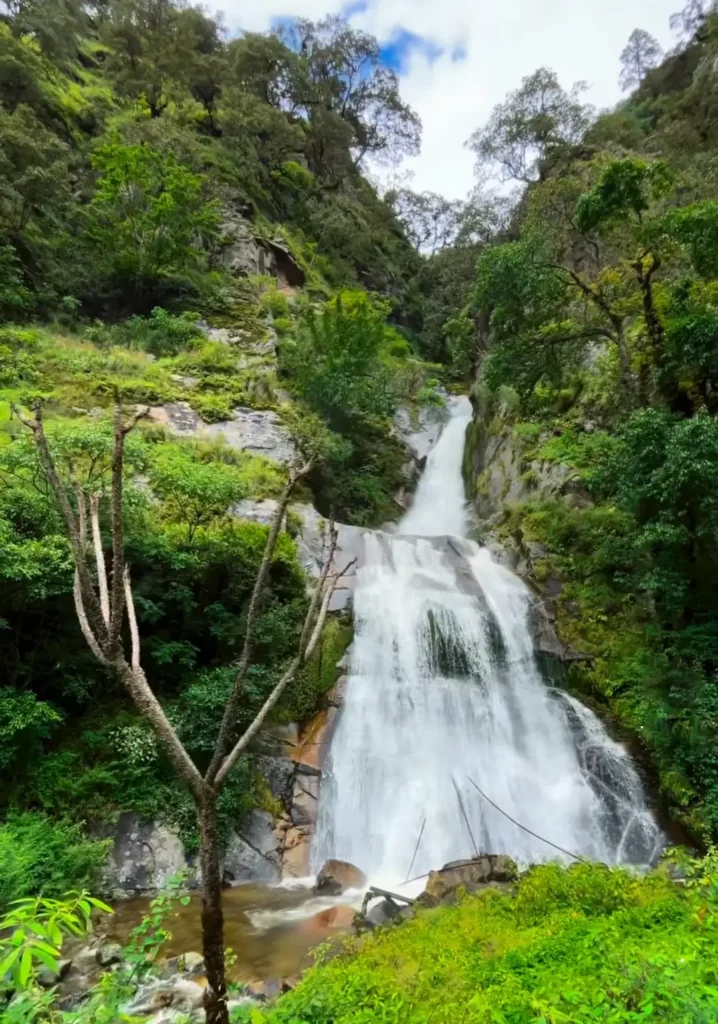
Located near the India-Bhutan-Tibet frontier, Zemithang is one of the most culturally significant yet overlooked destinations in Arunachal Pradesh.
This remote valley is famous for being the route through which the 14th Dalai Lama entered India in 1959 after fleeing Tibet.
Today, Zemithang remains a peaceful destination surrounded by mountains, rivers, and traditional Buddhist communities.
Why Visit Zemithang?
- Historic Dalai Lama route
- Ancient monasteries
- Remote borderland culture
- Scenic Himalayan valleys
- Authentic Monpa heritage
Temperature Guide
| Season | Temperature |
|---|---|
| Summer (May–June) | 10°C to 20°C |
| Autumn (Sep–Nov) | 5°C to 18°C |
| Winter (Dec–Feb) | -5°C to 10°C |
Must-Experience Attractions
Gorsam Chorten
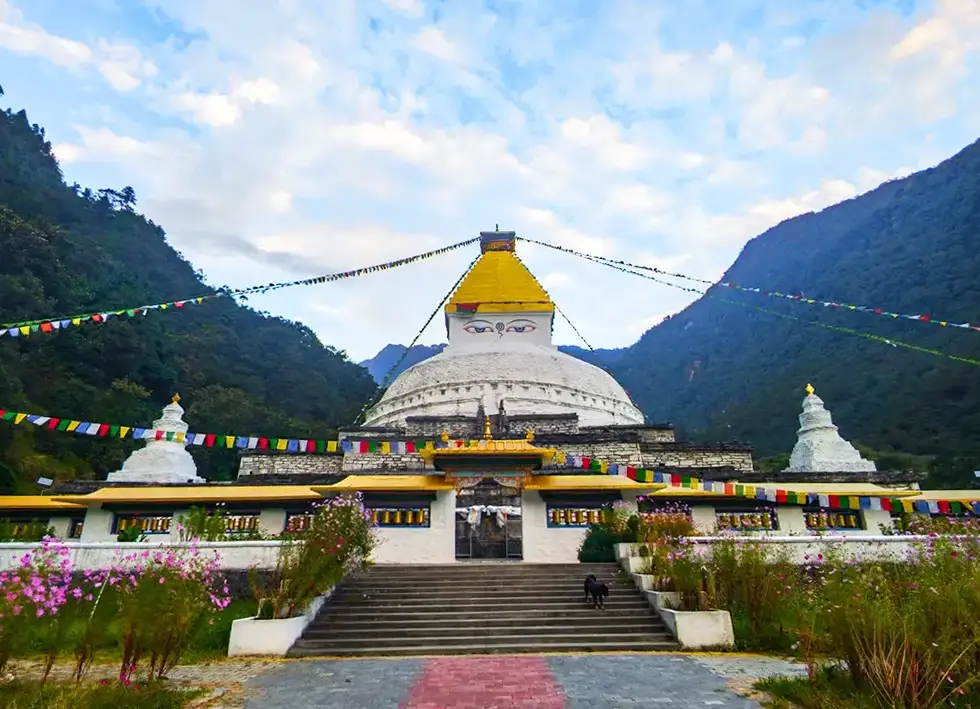
One of the largest Buddhist stupas in Arunachal Pradesh, Gorsam Chorten is often compared to Nepal’s famous Boudhanath Stupa.
Pangchen Valley
A hidden gem near Zemithang, Pangchen Valley, is known for:
- Rare Himalayan birds
- Black-necked cranes
- Alpine landscapes
- Remote trekking routes
Cultural Encounters
The Monpa communities of Zemithang continue to preserve traditions, architecture, and customs that have remained largely unchanged for generations.
Why Foreign Travellers Love It
For travellers seeking destinations beyond guidebooks, Zemithang represents one of India’s last true frontier regions. The combination of history, spirituality, and remote mountain scenery creates a travel experience that feels both meaningful and exclusive.
8. Ziro Valley: Ancient Traditions and Emerald Rice Fields
Elevation: Approximately 1,500 meters (4,921 feet)
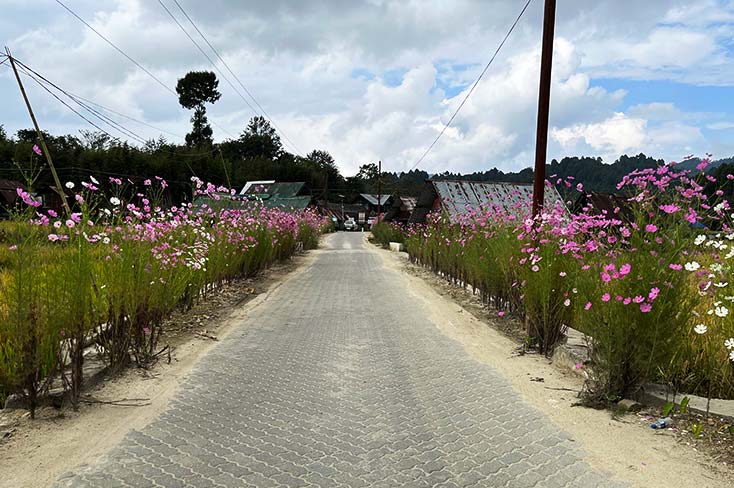
Ziro Valley is one of Arunachal Pradesh’s most celebrated cultural landscapes and home to the indigenous Apatani tribe. Surrounded by rolling hills and famous for its intricate paddy fields, Ziro offers a fascinating blend of culture, sustainability, and natural beauty.
The valley has gained international recognition for its unique agricultural system, where rice cultivation and fish farming coexist in a highly sustainable ecosystem developed over generations by the Apatani people.
Meet the Apatani Tribe
The Apatani tribe is known for its rich traditions, sustainable farming practices, and strong connection to nature. Visiting Apatani villages allows travellers to gain insights into a way of life that has remained largely unchanged for centuries.
Many local homestays provide opportunities to:
- Learn about Apatani culture
- Experience traditional cuisine
- Participate in village walks
- Understand indigenous farming systems
The Famous Paddy Fields of Ziro
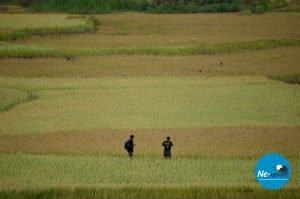
The valley’s patchwork of rice fields is one of its defining features. During the growing season, the landscape transforms into a stunning mosaic of golden yellow terraces. Photographers and nature enthusiasts will find endless opportunities to capture the valley’s beauty.
Check our Ziro Valley tour package | Check out Central Arunachal tour
Trekking Around Ziro Valley
Ziro also serves as an excellent base for short treks and nature walks.
Popular trekking experiences include:
- Talley Valley Wildlife Sanctuary trails
- Pine forest walks
- Ridge viewpoints overlooking the valley
Temperature Guide
| Season | Day Temperature | Night Temperature |
|---|---|---|
| Winter | 5°C–18°C | 0°C–8°C |
| Spring | 12°C–24°C | 6°C–12°C |
| Summer | 15°C–28°C | 12°C–18°C |
Ziro offers a rare opportunity to experience indigenous culture, sustainable living practices, and beautiful Himalayan scenery in one destination. It is often considered one of the most culturally rewarding places in Northeast India.
9. Pasighat: Arunachal Pradesh’s Riverside Gateway
Elevation: Approximately 155 meters (509 feet)
Often referred to as the gateway to Arunachal Pradesh, Pasighat is one of the state’s oldest towns and serves as an excellent base for exploring the Siang region. Located along the banks of the mighty Siang River, Pasighat combines natural beauty, tribal culture, and adventure opportunities.
Explore Tribal Villages
The region surrounding Pasighat is home to several Adi communities, Minyong, Padam, Pangi and other tribal communities known for their hospitality and rich cultural traditions.
Visitors can experience:
- Traditional village life
- Indigenous architecture
- Local festivals
- Authentic tribal cuisine
- Angling and riverside camping
Natural Beauty Along the Siang River
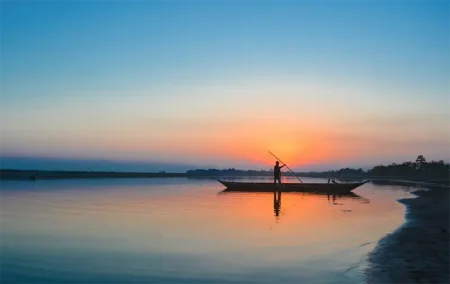
The Siang River dominates the landscape around Pasighat. Surrounded by green hills and dense forests, the region offers some of Arunachal Pradesh’s most beautiful riverside scenery. Travelers can enjoy cultural experiences, river landscapes, adventure sports and comfortable accommodation while exploring one of Arunachal Pradesh’s most beautiful regions.
Popular activities include:
- Riverside walks
- Photography
- Birdwatching
- Scenic drives
- Angling
- Rafting
Stay in Riverside Cottages
One of the most memorable experiences in Pasighat is staying in a riverside cottage overlooking the Siang River. Waking up to views of mist rising over the river creates a peaceful and immersive travel experience.
Temperature Guide
| Season | Day Temperature | Night Temperature |
|---|---|---|
| Winter | 18°C–28°C | 10°C–18°C |
| Spring | 22°C–32°C | 15°C–22°C |
| Summer | 25°C–35°C | 20°C–25°C |
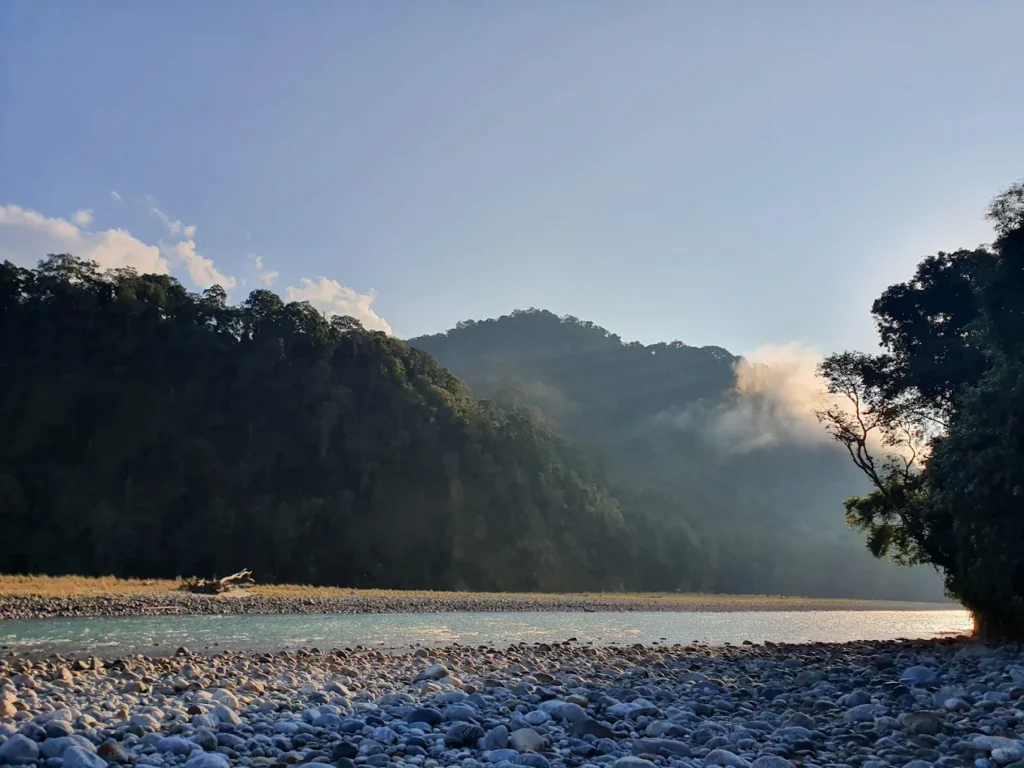
10. Namdapha National Park: One of Asia’s Greatest Wilderness Areas
Location: Changlang District, Arunachal Pradesh
Area: Approximately 1,985 square kilometres
Namdapha National Park is often described as one of India’s last true wilderness regions. Covering nearly 2,000 square kilometres, it is the third-largest national park in India and one of the most biologically diverse protected areas in Asia.
Unlike many national parks where wildlife viewing occurs along established safari routes, Namdapha offers a genuine wilderness experience.
Why Namdapha Is Unique
The park’s elevation ranges from tropical lowland forests to alpine meadows, creating a remarkable variety of ecosystems.
This ecological diversity supports thousands of plant and animal species.
The Four Big Cats of Namdapha
Namdapha is one of the few places in the world believed to support all four major cat species found in India:
- Tiger
- Leopard
- Snow Leopard
- Clouded Leopard
Although sightings are rare due to the dense forests, the park’s biodiversity is extraordinary.
Activities in Namdapha National Park
Visitors can enjoy:
- Guided jungle treks
- Wildlife photography
- Birdwatching
- Nature walks
- River exploration
- Community-based tourism
Temperature Guide
| Season | Day Temperature | Night Temperature |
|---|---|---|
| Winter | 10°C–20°C | 5°C–10°C |
| Spring | 18°C–28°C | 10°C–18°C |
| Summer | 22°C–32°C | 18°C–22°C |
For travellers seeking a true wilderness experience, Namdapha National Park offers something increasingly rare in the modern world—vast landscapes where nature remains largely untouched by human development.
The combination of biodiversity, remoteness, and adventure makes Namdapha one of the most remarkable wildlife destinations in the Eastern Himalayas.
11. The Untouched Beauty of Dibang Valley
Among all of Arunachal Pradesh’s remote regions, Dibang Valley stands out as one of the most spectacular.
Covering thousands of square kilometres, it is one of India’s least populated districts and one of its most pristine wilderness areas.
The landscape consists of:
- Dense forests
- Snow-fed rivers
- Rugged mountains
- Traditional Idu Mishmi settlements
Wildlife Encounters
Dibang Valley supports extraordinary biodiversity.
Wildlife enthusiasts may encounter:
- Mishmi Takin
- Red Panda
- Himalayan Serow
- Musk Deer
- Clouded Leopard
Birdwatchers can also spot numerous rare Himalayan species.
A Photographer’s Dream
The valley offers endless opportunities for landscape photography. Morning mist rising from river valleys and dramatic mountain backdrops create unforgettable scenes.
20-Day Offbeat Arunachal Itinerary
Day 1–2
Guwahati → Dirang → Sangti Valley
Day 3–6
Tawang → Explore Zemithang → Mago Valley
Day 7–8
Ziro Valley
Day 9–12
Along → Mechuka
Day 14
Dibrugarh
Day 15 – 18
Dibrugarh → Roing → Anini
Day 20
Dibrugarh departure
10-day itinerary of the Hidden Arunachal Pradesh
Day 1
Guwahati → Dirang
Day 2
Dirang → Sangti Valley
Day 3
Dirang → Tawang
Day 4
Explore Tawang
Day 5
Tawang → Zemithang
Day 6
Explore Zemithang and Pangchen Valley
Day 7
Zemithang → Mago Valley
Day 8
Explore Mago Valley. Return to Tawang
Day 9
Tawang → Bomdila
Day 10
Bomdila → Guwahati
Essential Travel Information for Visitors
Nearest Airports
- Guwahati
- Dibrugarh
- Lilabari
- Tezpur
Best Time to Visit
- October to April
- Avoid the peak monsoon season in remote regions
Good to know
- Limited internet
- Patchy mobile networks
- Expect off-road and bumpy roads in places.
- Carry cash, medicine, warm clothes, a power bank etc.
- Do not expect luxury/ deluxe stays in all places.
- Basic homestays are available mostly.
- Start early and listen to your local guide/tour manager during the tour.
- Respect culture and treat locals wisely.
Frequently Asked Questions
Q: Is Arunachal Pradesh safe for foreign tourists?
Arunachal Pradesh is absolutely safe for foreign tourists. But it’s mandatory to hire a local guide in some places. We advise you to consult with a trusted travel agency before planning your trip to Arunachal.
Q: Do foreigners need permits?
Yes foreigner need protected are permit (PAP) to visit Arunachal Pradesh. It takes 5 – 7 days to process your ILP with government officials.
Q: Which is the most remote destination in Arunachal Pradesh?
Anini, Tuting and Mechuka are the most remote places in Arunachal Pradesh. Expect a bumpy road and a long drive.
Q: Is Arunachal Pradesh suitable for solo travellers?
According to government policy, a minimum of 2 people is required to process the ILP for Arunachal Pradesh.
Q: How many days should I spend in Arunachal Pradesh?
We have trips starting from 6 days to 20 days for Arunachal Pradesh. For a deep understanding of the places and their culture, more than 15 days are required.
Q: What makes Arunachal Pradesh different from Bhutan or Nepal?
While Bhutan and Nepal are world-renowned Himalayan destinations with well-established tourism infrastructure, Arunachal Pradesh offers a very different kind of adventure. Often called India’s last great frontier, it remains one of the least-explored regions in the Himalayas, where untouched landscapes and authentic cultural experiences take centre stage.
For travellers seeking luxury resorts, bustling trekking hubs, or highly developed tourist circuits, Bhutan and Nepal may be a better fit. But for those who value raw wilderness, genuine cultural immersion, remote Himalayan valleys, and the excitement of discovering places that few international visitors have experienced, Arunachal Pradesh offers an unforgettable journey unlike anywhere else in the Himalayas.
Ready to explore India’s hidden Himalayan frontier? Let Arunachal Pradesh surprise you with landscapes and cultures that remain unknown to much of the world.
Plan Your Arunachal Pradesh Tour
Nexplore Travel has been running Arunachal Pradesh tours for international visitors since 2015. Guests from Sweden, Germany, France, UK, New Zealand, and Singapore have visited Northeast India with us. We handle all PAP permits, arrange English-speaking local guides and create private itineraries for your travel dates.
Contact us 📧 support@nexplore.org 💬 WhatsApp: +91 73990 54196 (We respond to WhatsApp from anywhere in the world)
Related Read