
Kohima, the capital of Nagaland, is a city where history, Naga culture and mountain landscapes come together. It is also one of the main gateways to exploring the villages and natural areas around the Angami region. A visit to Kohima is not only about seeing tourist attractions. You can walk through local markets, learn about Naga history at the State Museum, visit the Kohima War Cemetery, spend time in a traditional village or enjoy a trek near the city.
Kohima is also the base for visiting Kisama Heritage Village, the venue of the famous Hornbill Festival, as well as nearby destinations such as Khonoma Village, Dzukou Valley and Touphema.
If you are visiting Nagaland for the first time, this Kohima travel guide will help you understand what to see, when to go, how to reach the city and how much time to keep for your trip.
Why Visit Kohima?
Kohima offers a different experience from many popular hill destinations in Northeast India. The city has an important connection with the Second World War. The Kohima War Cemetery commemorates soldiers who died during the Battle of Kohima in 1944. The city also has a strong connection with Naga culture, which can be explored through its museum, markets, villages, food and festivals.
Beyond the city, the surrounding hills offer opportunities for trekking and village experiences. Khonoma is known for its conservation traditions, while Dzukou Valley is one of the region’s popular trekking destinations. For many travellers, the biggest reason to visit Kohima is the chance to experience Naga culture beyond a festival or sightseeing tour.
From the world-renowned Hornbill Festival to serene valleys, historical landmarks, and traditional villages, Kohima offers a unique travel experience unlike any other. In this guide, we explore the top attractions in Kohima that will make your journey unforgettable.
Tourist attractions in Kohima
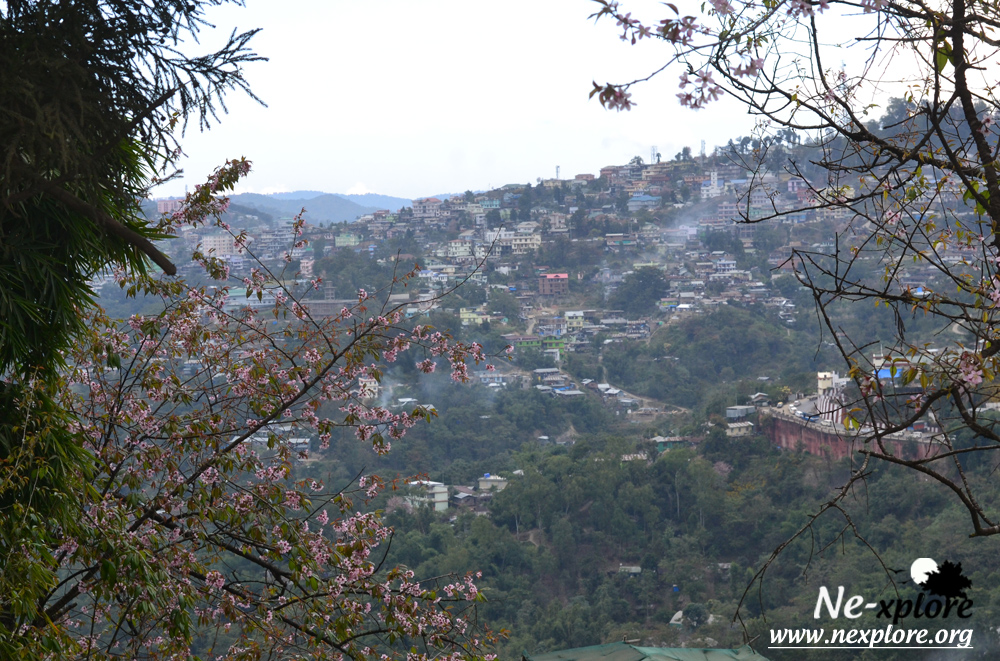
As mentioned in my last post, we visited the glorious Hornbill Festival the previous day and decided to explore Kohima the next day. The World War II cemetery was situated near our hotel. We took a five-minute walk to the cemetery and paid a visit. Then we decided to explore the alleys of Kohima city. We saw rows and rows of houses, some atop mountains and some on the plains. The neat and clean, well-maintained houses had flowers on the verandas. A feeling of warmth and contentment is reflected in each house.


1. Kohima Cathedral – A Spiritual Landmark
Our next stop was Kohima Cathedral. When we first saw the cathedral, the first word that came to my mind was “Wow, Magnificat ! “. It has wonderful architecture, which blends into the hill on which it is situated. It was a huge church with a 16-foot-high carved wood crucifix, which is one of the largest crosses in Asia. We walked around the church and enjoyed the beautiful pictures and statues inside the church while admiring the beautiful flowers. It was built with funds from Japan as a tribute to the soldiers who lost their lives during World War II. The cathedral stands as a symbol of peace and reconciliation.
2. Nagaland State Museum
After visiting Kohima Cathedral, we went to visit the Nagaland State Museum. It preserves and displays the rare artefacts, costumes, weapons, utensils, and musical instruments of different cultural groups of Nagaland. Different wooden structures, statues, jewellery and images were also displayed there. It is one of the must-visit attractions in Kohima city.

3. Kohima War Cemetery
The Kohima War Cemetery is one of the most important historical places in the city. It commemorates soldiers who lost their lives during the Battle of Kohima in the Second World War. The cemetery is maintained by the Commonwealth War Graves Commission and contains 1,420 war graves. The beautifully maintained lawns make the cemetery peaceful, but the setting should not distract from its history. This is a place to visit slowly and respectfully. For travellers interested in the history of the Second World War in Northeast India, the cemetery is an essential stop.
4. Naga Bazar market
Next, we went to the Naga Bazar market. The market sprawled in its own glory of vivid smells, sounds and colours. The market had all sorts of housewares, kitchenware, trendy apparel, accessories and items for kids too. It was a shopaholic’s paradise, and at the same time, it provided unique edibles like frogs, snails, different fish etc.
New Market and other central markets are useful stops if you want to shop for local products or simply spend some time observing the city. Incredible India also highlights New Market and Old Market for local produce, spices, handloom products and handicrafts.
The time when we travelled was the end of November, and the shops were filled with Christmas decor items. The market was already celebrating the fervour of the arrival of Christmas, and the shops were decorated, and colourful lights were seen everywhere.
Afterwards, we visited the memorial of A.Z. Phizo. It is constructed in memory of Angami Zapu Phizo, who is regarded as the “Father of the Nagas”.
If you are interested in history, you can also see the Me 3 Tank during World War II, located at Officers’ Hill, near the old DC Bungalow.
Apart from these, you can explore some other best tourist places located a few kilometres away from the city.
5. Kisama Heritage Village
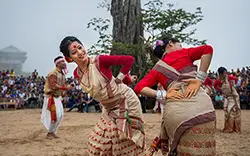
Around the outskirts of Kohima is Kisama Heritage Village, one of the most important cultural attractions in the area. The heritage village was created to represent aspects of traditional Naga architecture and culture. It is best known internationally as the venue of the Hornbill Festival, held during the first week of December.
During the festival, visitors can experience performances, traditional architecture, food, crafts and cultural activities representing different Naga communities. Outside the festival period, Kisama can still be included in a cultural itinerary, but the experience is naturally different from visiting during Hornbill.
Kisama is about 12 km from Kohima according to Nagaland Tourism’s festival information.
6. Dzukou Valley – The Valley of Flowers of the Northeast
For travellers who enjoy hiking and trekking, Dzukou Valley is one of the major attractions around Kohima. The valley lies on the Nagaland–Manipur border and is known for its rolling landscape, seasonal flowers and trekking routes. It is also associated with the Dzukou lily and other local vegetation. You need to contact a local guide to visit the valley. You need to trek to the valley and stay in a camp for a night.
A local guide is recommended, and visitors should prepare properly for the terrain and changing mountain weather.
7. Khonoma Village – Asia’s First Green Village
Located just 20 km from Kohima, Khonoma Village is known for its eco-friendly practices and conservation initiatives. It is often referred to as Asia’s first green village, where the Angami tribes have preserved their forests and natural resources through sustainable living.
Visitors can explore traditional Naga homes, stay in a traditional homestay, learn about agricultural practices, see the village forts, meet the villagers, see the village morung and explore the stunning village on foot. For those who want to witness how tradition and modern conservation efforts coexist, Khonoma is a must-visit destination. Khonoma is particularly suitable for travellers interested in community-based tourism, village life, conservation and Naga culture.
8. Touphema Tourist Village
The Touphema Tourist Village, developed in collaboration with the local community, is an excellent place to experience authentic Naga hospitality. Tourists can stay in traditional huts, savour local cuisine, and participate in cultural programs.
This immersive experience allows travellers to connect deeply with the local culture and lifestyle, making it one of the best offbeat places near Kohima.
Planning a Trip to Kohima & Nagaland ?
Enjoy a customised itinerary, comfortable stays and hassle-free travel.
Explore our Nagaland Tours | WhatsApp UsImages of Kohima


Things to Do in Kohima
Kohima is best experienced through a mixture of sightseeing and local experiences.
1. Walk through the city
Kohima is built across hills, so walking around the city gives you a different perspective. You will see houses spread across slopes, local shops, churches, markets and busy neighbourhoods.
2. Learn about Naga culture
Start with the State Museum and then visit a village such as Khonoma. Seeing cultural objects in a museum is useful, but seeing how traditions continue in everyday life gives you a much broader understanding.
3. Visit a local market
Spend some time in one of Kohima’s markets. Look for local vegetables, spices, handloom products, bamboo items and other locally made goods.
4. Explore Naga food
Food is an important part of experiencing Nagaland. Try local preparations using ingredients such as smoked meat, bamboo shoot, fermented soybean and locally grown vegetables.
5. Go trekking
If you enjoy hiking, Dzukou Valley and Mount Puliebadze are options around Kohima. Mount Japfu is another major trekking destination in the region.
Visit during Hornbill Festival
If your trip coincides with the Hornbill Festival, keep enough time for both the festival and Kohima itself. The festival is held at Kisama Heritage Village during the first week of December and brings together cultural performances, food, crafts, music and other events.
How to reach Kohima
By Air
Kohima does not have its own commercial airport. The nearest major airport is Dimapur Airport (DMU). From Dimapur, you can continue to Kohima by road. Travellers arriving from outside Northeast India can also consider Guwahati Airport as an entry point and continue to Nagaland by road or train.
By Train
Dimapur Railway Station is the nearest major railway station to Kohima. Dimapur has rail connections with Guwahati and other parts of India. From Dimapur, shared taxis, private taxis and bus services are available for Kohima.
By Road
The road journey from Dimapur to Kohima is the main surface route into the city.
Entry Permits for Nagaland
Domestic travellers required Nagaland Inner Line Permit (ILP) and foreign traveller required ILP (Inner Line Permit) to visit Nagaland. Permit rules can change, so check the official Nagaland Tourism information before your trip rather than relying on an old blog post or social media update.
Where to Stay in Kohima
Kohima has hotels, guesthouses, homestays and accommodation options around the city and nearby villages.
For a first visit, staying in Kohima city is convenient if your main plans include the War Cemetery, State Museum, Cathedral, markets and city sightseeing. During the Hornbill Festival, accommodation can fill quickly so it is advised to book 3-4 months in advance to book comfortable stay options.
Travel Tips for First-Time Visitors to Kohima
1. Keep warm clothes
Kohima can be cool, particularly during winter mornings and evenings. Carry layers rather than relying on one heavy jacket.
2. Carry comfortable shoes
The city is hilly, and village visits often involve walking. Good walking shoes will make the trip much easier.
3. Plan your sightseeing realistically
Kohima’s attractions are spread across a hilly area. Avoid trying to cover too many places in one day.
4. Check attraction timings
Some museums and public attractions have limited opening hours. The Nagaland State Museum, for example, has published visiting hours and a weekly closure. Check current information before visiting.
5. Respect local customs
When visiting villages, homes, churches and cultural sites, dress respectfully and ask permission before photographing people.
6. Book early for Hornbill Festival
December is a particularly busy period. Accommodation and transport should be arranged well ahead of time.
7. Carry cash
While digital payments are increasingly common, it is still useful to have some cash when travelling to smaller markets and villages.
8. Do not rush village visits
Places such as Khonoma and Touphema are best enjoyed slowly plan a guided walking tour. Give yourself time to walk, talk to local people and understand the place.
Frequently Asked Questions About Kohima
October to April is a generally suitable period for visiting Kohima, while December is especially popular because of the Hornbill Festival. Avoid the monsoon months, as landslides happen along the way, and it also affects outdoor activities.
2-3 days is a good starting point for a first visit. One day is enough for the main city attractions, while two days allow you to add places such as Khonoma and Kisama. Dzukou Valley requires additional time because it involves trekking.
Some of the main places include Kohima War Cemetery, Nagaland State Museum, Kohima Cathedral, local markets, Kisama Heritage Village and Khonoma Village. Dzukou Valley is one of the major nearby attractions for trekkers.
Yes. Families interested in history, culture, food and sightseeing can enjoy Kohima. For families travelling with young children or older travellers, a relaxed city-and-village itinerary may be more comfortable than adding a strenuous Dzukou trek.
The most common entry point is Dimapur, which has the nearest major airport and railway station. From Dimapur, you can travel to Kohima by shared taxi, private taxi or bus.
Try local Naga preparations featuring smoked pork, bamboo shoot, axone, Naga chilli, seasonal vegetables and rice. Food varies between communities and restaurants, so ask what is freshly prepared.
Yes, local travellers need an ILP and foreign tourists need PAP and need to register at the nearest police station to visit Nagaland.
No. Dzukou Valley can be accessed only by trekking for 4 to 6 hours one-way. It is not suitable for everyone. Generally, people stay for 1 night in a camp in the valley and return the next day.
Yes. In fact, Kohima is the main base for travellers attending the festival at Kisama Heritage Village. The festival takes place during the first week of December. Because this is a busy travel period, accommodation and transport should be arranged early.
Planning a Trip to Kohima & Nagaland?
Enjoy a customised itinerary, comfortable stays and hassle-free travel.
Explore Hornbill Festival Tour | Plan my Nagaland tripHave questions about dates, permits or where to stay? Email us at support@nexplore.org to start planning your trip. We reply within 24 hours and can customize the itinerary for Indian and international travelers.
Last Updated on September 28, 2026 by Nexplore Travels