
Northeast India is one of the most culturally diverse regions in Asia, home to over 200 indigenous tribes, each with its own language, customs, festivals, attire, belief systems, and traditional knowledge. These communities have preserved their identity for centuries, living in harmony with forests, rivers, and mountains.
The northeast India tribes are not just communities; they are living stories written into hills, valleys, forests, and rivers. Spread across eight states, the tribes of Northeast India preserve ancient knowledge, seasonal rhythms, distinctive food habits, and festivals that still guide everyday life.
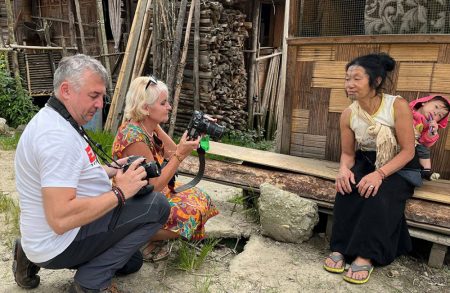
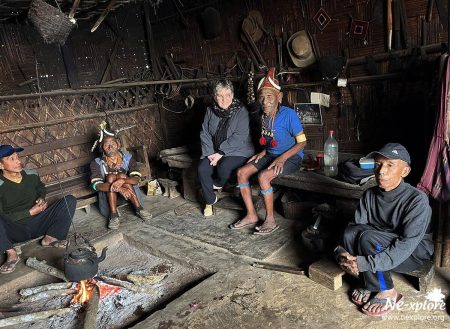
For travellers seeking authentic tribal tourism in India, this region offers something rare—real village life, warm hospitality, and experiences that unfold slowly, one conversation at a time. At Nexplore, we conduct special, responsible tours to tribal villages, designed for meaningful cultural immersion.
This blog explores the major tribes of Northeast India, offering insights into their lifestyle, traditions, and regions. It is especially useful for travellers interested in tribal tourism, cultural tours, anthropology, and offbeat travel experiences.
Planning to visit as an international tourist?
Foreign nationals require a Protected Area Permit (PAP) to enter Arunachal Pradesh. Nexplore arranges all permits on your behalf — you only need to send us your passport copy. Processing takes 5–7 working days.
Read our complete permit guide for foreign visitors → | WhatsApp us to plan your tour
Cultural Landscape of Northeast India
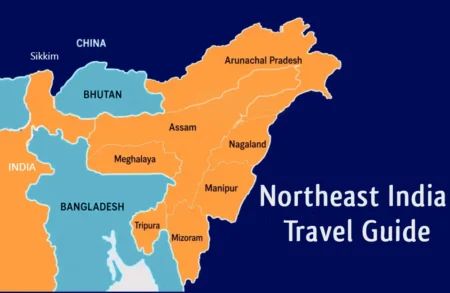
The Northeast comprises eight states—Assam, Meghalaya, Nagaland, Arunachal Pradesh, Manipur, Mizoram, Tripura, and Sikkim. Each state has distinct tribal groups shaped by geography, climate, and history.
Below are the most culturally significant tribes of Northeast India, with special focus on the villages we visit during Nexplore’s tribal tours.
Major Tribes of Nagaland
Angami Tribe
In the capital of Nagaland, Kohima, and in the neighbouring villages of Kigwema and Khonoma, the Angami tribe has shaped the hills into flowing terraces of rice fields. Their villages feel calm, orderly, and deeply rooted. They are very welcoming and offer a smile to every visitor.
The Hornbill Festival and Sekrenyi Festival are great times to meet them and explore their villages. Sekrenyi Festival is a time of purification and renewal, when young men prepare for adulthood, and villages celebrate unity. You can stay in the Angami tribes home in Kohima and Khonoma and enjoy their hospitality, simple and flavorful food like sticky rice, smoked meat, and bamboo shoots etc.
What travellers experience:
Staying in eco-villages like Khonoma, learning how conservation became a way of life, and understanding how tradition and modernity coexist.
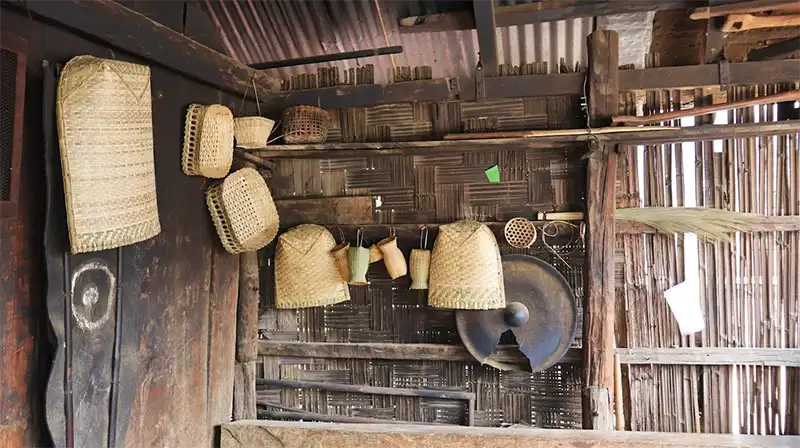
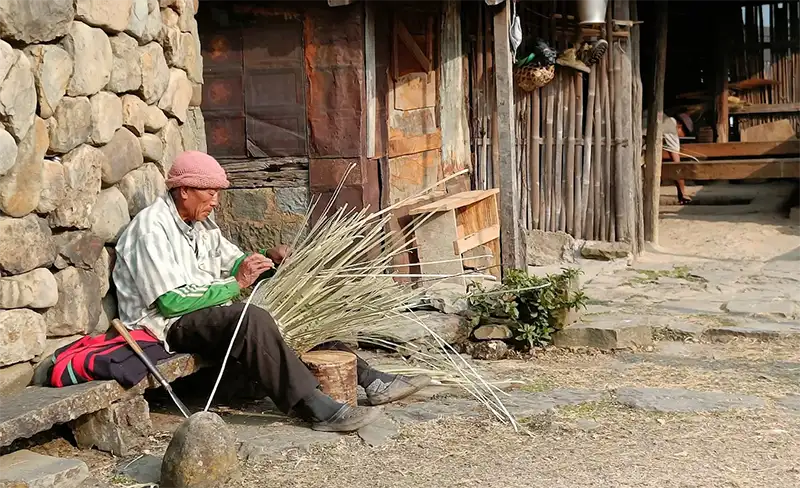
The Konyak
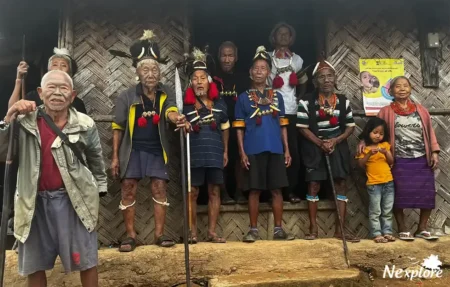
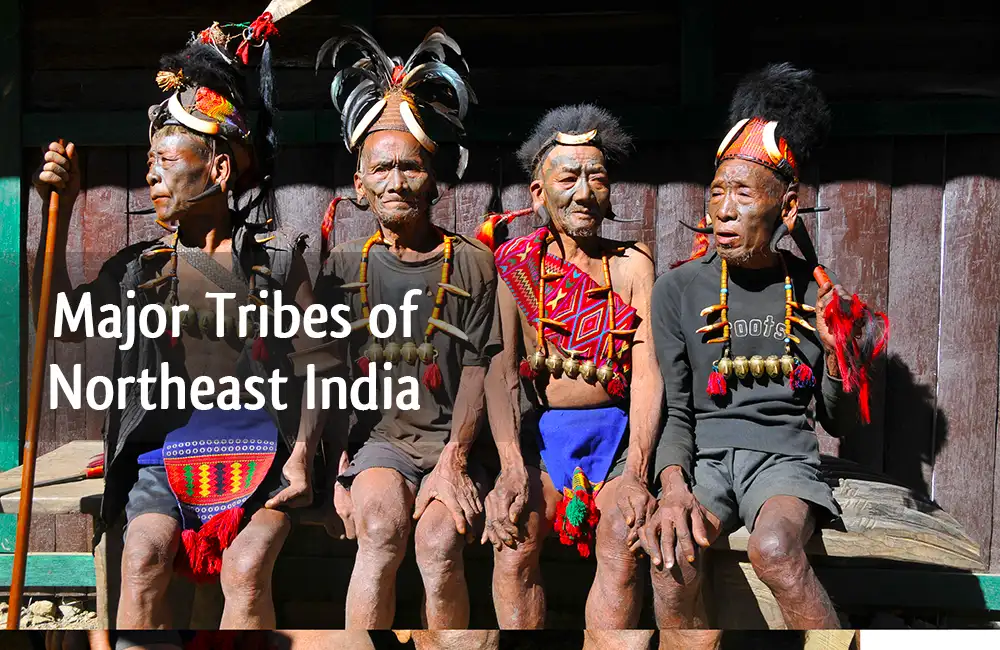
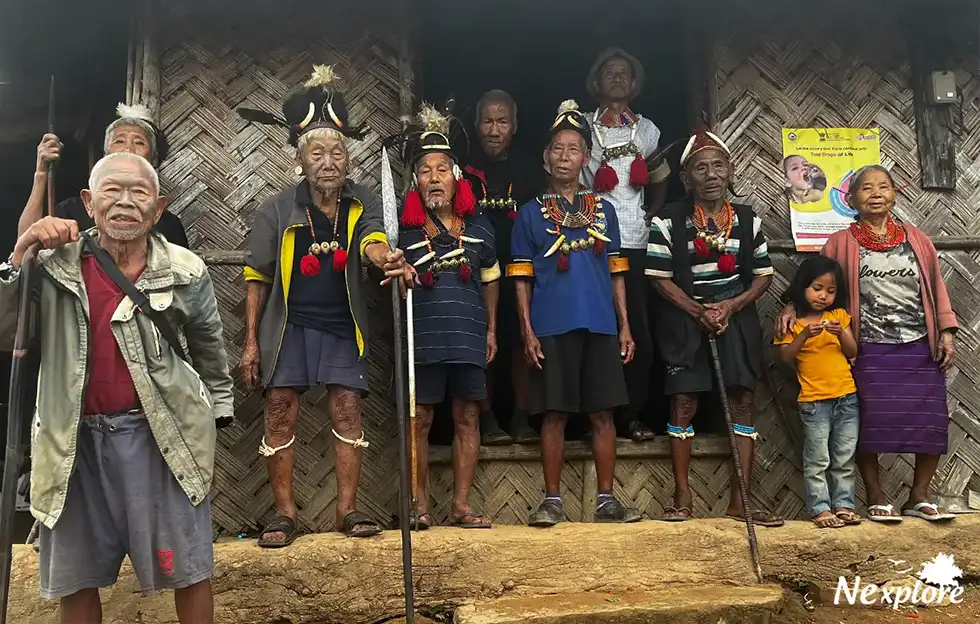
In the hills of Mon District, the Konyak tribe lives in villages where history is etched onto faces. Elder men still bear facial tattoos earned during warrior days long past. Often called the “last headhunters,” the Konyaks are recognized for facial tattoos, ceremonial guns, and wooden sculptures. Their culture attracts anthropologists and cultural travellers worldwide.
The Aoling Festival welcomes the Konyak New Year with feasting, dancing, and retelling of ancestral victories. In Longwa village, the chief’s house famously sits on the India–Myanmar border.
Apart from this, Sumi, Lotha, Chakhesang and Ao are other major tribes of Nagaland, each with distinct identity, traditions and cultures.
What travellers experience:
Conversations with tattooed elders, walking through massive wooden longhouses, learning how history lives on through memory rather than books.
All tribes of Nagaland have different, distinct cultures, traditions and dress. The Hornbill Festival is the best time to see the traditions and cultures of all the tribes in one place.
Visit the Konyak Villages with Nexplore
We run private guided tours to Longwa, Hongphoi, Shangnyu and other Konyak villages in Nagaland and Arunachal Pradesh. All PAP permits are arranged for foreign nationals. English-speaking local guides.
Major Tribes of Arunachal Pradesh
Arunachal Pradesh is a diverse state; it is home to around 26 major tribes and more than 100 sub tribes practicing different culture, traditions. Here I mentioned a few major tribes of Arunachal Pradesh.
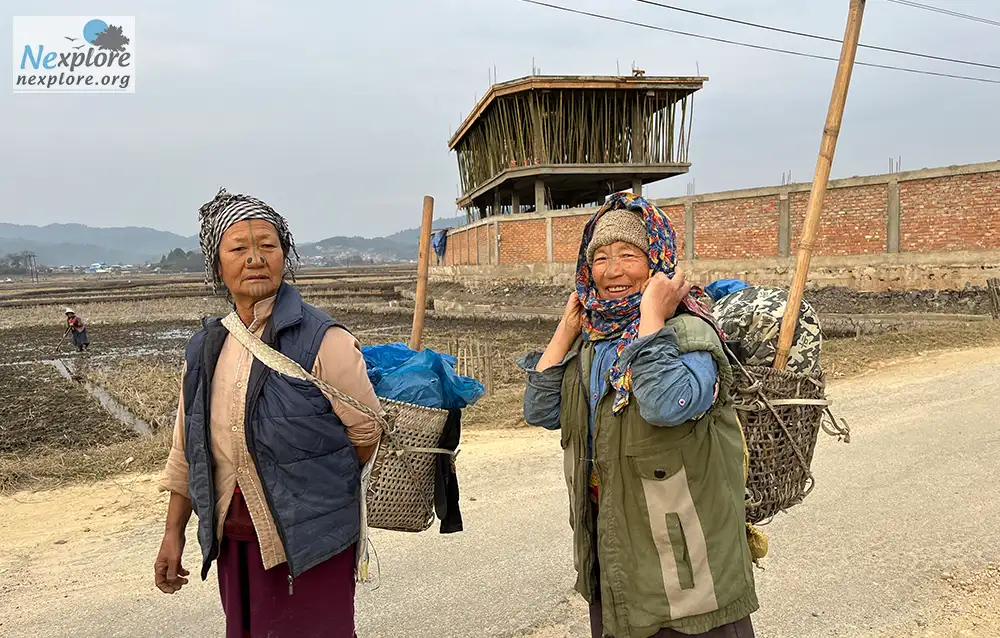
Apatani Tribe – Ziro Valley, Arunachal Pradesh
In the green bowl of Ziro Valley, the Apatani tribe lives with extraordinary precision. Their villages are neat, their farms perfectly aligned, their irrigation channels flowing silently through rice fields where fish swim alongside seedlings.
The best time to visit the Ziro Valley and see their culture and traditions closely is during festivals like the Ziro Music Festival, Dree Festival, Myoko Festival etc. During the Dree Festival, elders pray for protection against crop failure while young men and women dance in circles, laughter echoing across the valley. At Myoko Festival, friendships are renewed, alliances strengthened, and visitors are welcomed like extended family.
What travellers experience:
Walking barefoot along field embankments, sharing rice beer with villagers, listening to stories of how land is inherited and protected—not owned. Many travellers say the Apatani village visit changes how they think about sustainability.
Monpa Tribe – Tawang & West Kameng, Arunachal Pradesh
Himalayan Buddhism & Monastic Traditions
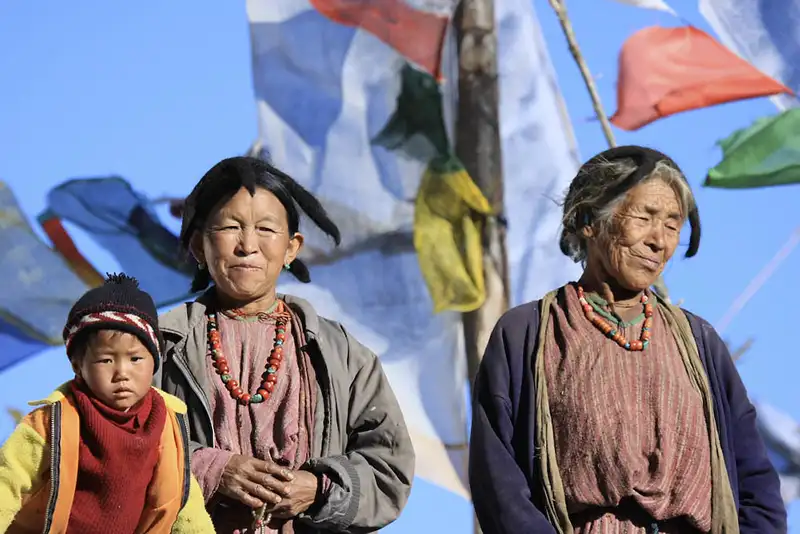
As the road climbs toward Tawang, prayer flags begin to flutter, and the world feels quieter. This is Monpa land. The Monpa tribe lives among snow-fed mountains, guided by Tibetan Buddhism in Tawang and nearby areas like Dirang and Bomdila of Arunachal Pradesh. You can try traditional food made from yak cheese, thukpa, and special butter tea in the Monpa tribes village.
The best time to experience the culture, tradition and life of the Monpa tribe is during the Losar and Torgya Festival. In Losar, homes are cleaned, monks chant prayers, and families prepare special meals of thukpa, momos, and butter tea. The Torgya Festival, held inside monasteries, fills the air with masked dances meant to drive away negative energies.
What travellers experience:
Early morning monastery chants, shared meals in warm wooden homes, stories told beside hearth fires as snow falls outside. The Monpa way of life slows even the most restless traveller.
You may also like: Best Festivals in Northeast India you must attend in 2026
Nyishi Tribe – Forest Guardians of Arunachal Pradesh
Nature, Warrior Spirit & Mountain Traditions
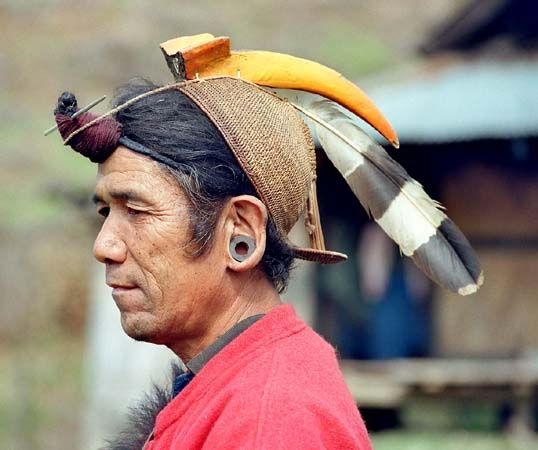
In the mist-covered hills of Arunachal Pradesh, where forests stretch endlessly and rivers cut through deep valleys, the Nyishi tribe lives close to the rhythms of nature. Among the largest Northeast Indian tribes, the Nyishi people are known for their resilience, forest wisdom, and proud warrior heritage.
For centuries, the Nyishi lived as hunters, gatherers, and shifting cultivators. Today, while modern education and governance have reached their villages, traditional identity remains strong. Elders still sit together in bamboo houses, sharing oral histories of migration, clan alliances, and ancestral spirits.
Festivals of the Nyishi Tribe
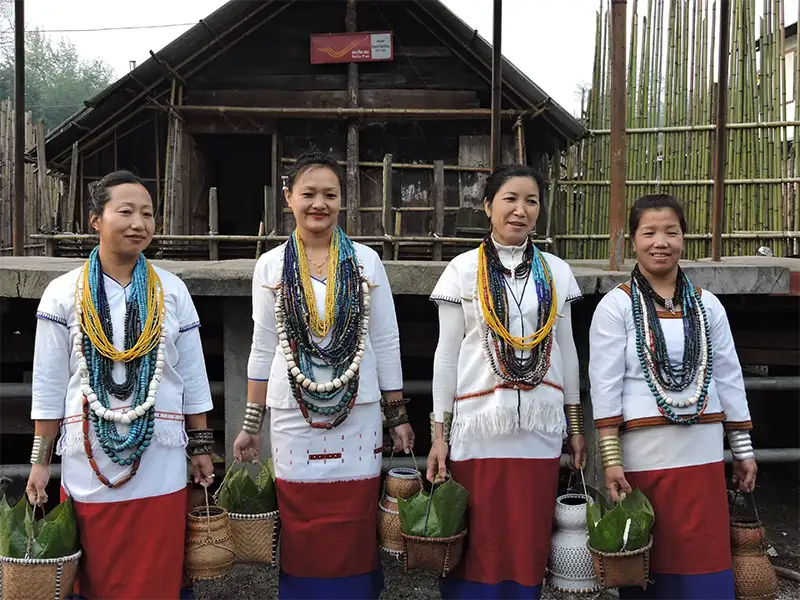
The most important celebration is Nyokum Yullo, a vibrant agricultural festival dedicated to the harmony between humans, nature, and the spirit world. During Nyokum festival
-
Priests perform rituals seeking prosperity and protection
-
Villagers gather in colorful traditional attire
-
Folk dances and songs echo through the hills
-
Community feasts unite clans and families
The festival is not a performance—it is a living expression of belief and gratitude.
Food & Daily Life
Nyishi cuisine reflects forest abundance and simplicity:
-
Rice is a staple food
-
Smoked meat and fish
-
Bamboo shoots and wild leafy vegetables
-
Fermented local beverages prepared for community gatherings
Cooking is done over open fires, and meals are often shared collectively.
What Tourists Experience in a Nyishi Village
Travelling to a Nyishi village with Nexplore is not about observing from a distance. It is about participation:
-
Walking through bamboo and cane houses
-
Learning about traditional headgear (once decorated with hornbill beaks, now replaced with conservation-friendly materials)
-
Understanding shifting cultivation practices
-
Listening to folklore about ancestral spirits and forest guardians
Visitors often describe the Nyishi experience as raw, earthy, and deeply grounding—a reminder of how closely humans once lived with forests.
Memba Tribe – Quiet Keepers of the High Himalayas
Spiritual Life in Remote Mountain Valleys
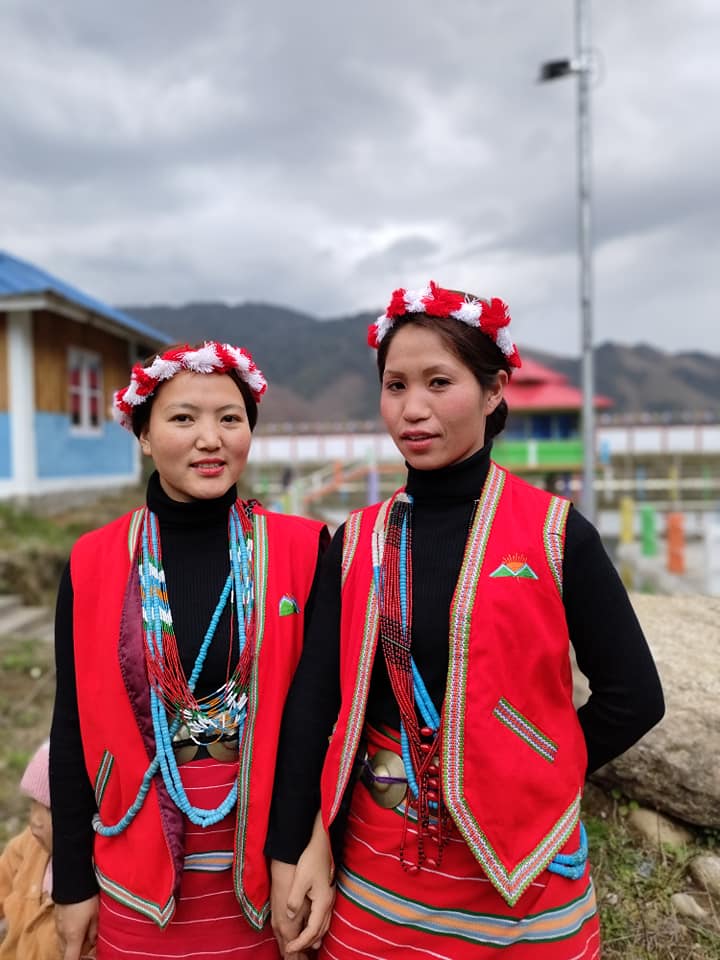
Far to the north, near the Indo–Tibet border in Upper Siang and Mechuka regions of Arunachal Pradesh, lives the lesser-known but culturally rich Memba tribe. High above river valleys, surrounded by snow peaks and fluttering prayer flags, the Membas practice a form of Tibetan Buddhism that shapes every part of daily life. Among the tribes of Northeast India, the Memba are unique for their deep spiritual devotion and strong monastic influence.
Festivals of the Memba Tribe
The most significant celebration is Sonam Losar, the Tibetan New Year. During Losar, homes are cleaned and decorated, and monks chant prayers and perform mask dances to ward off negativity in monasteries.
Food & Lifestyle
Living at a high altitude influences Memba cuisine:
-
Barley and buckwheat-based dishes
-
Yak milk products
-
Thukpa (noodle soup)
-
Butter tea to stay warm in cold climates
Stone and wooden houses are built to withstand harsh winters. Life here is simple, disciplined, and spiritually oriented.
What Tourists Experience in a Memba Village
A visit to a Memba village feels like stepping into another world:
-
Watching the sunrise over snow-capped mountains
-
Attending morning monastery prayers
-
Sharing butter tea with families
-
Learning about Buddhist philosophy from monks
-
Observing traditional weaving and handicrafts
The silence of the mountains, broken only by prayer chants and wind, leaves a lasting impression on travellers.
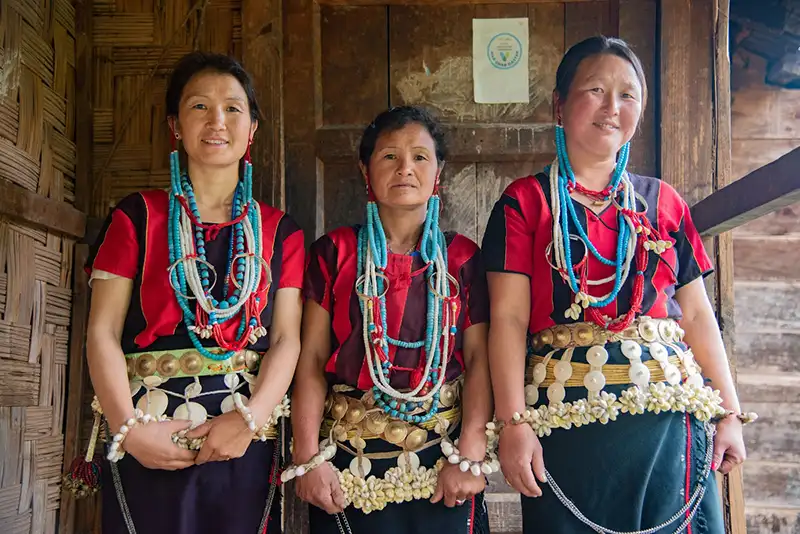
The Adi – Siang Valley, Arunachal Pradesh
Following the mighty Siang River, the Adi tribe lives in bamboo houses raised above the forest ground. Their lives are closely tied to nature—river, forest, and field.
The Solung Festival marks the harvest season, when villagers sing ancient chants and offer thanks to spirits believed to protect crops and families.
Their meals include smoked meat, rice, wild herbs, and fermented bamboo shoot—strong, earthy flavours that reflect forest life.
What travellers experience:
Village walks along riverbanks, evenings filled with drumbeats, and stories of how the Adi see humans as caretakers—not masters—of nature.
Major Tribes of Assam
Bodo Tribe
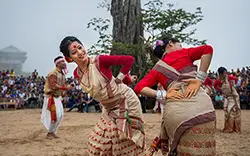
The Bodos are the largest plains tribe of Assam, mainly inhabiting western Assam. Traditionally agrarian, they celebrate Bwisagu, a spring festival marking the Assamese New Year. Bodo music, dance, and weaving reflect deep spiritual connections with nature.
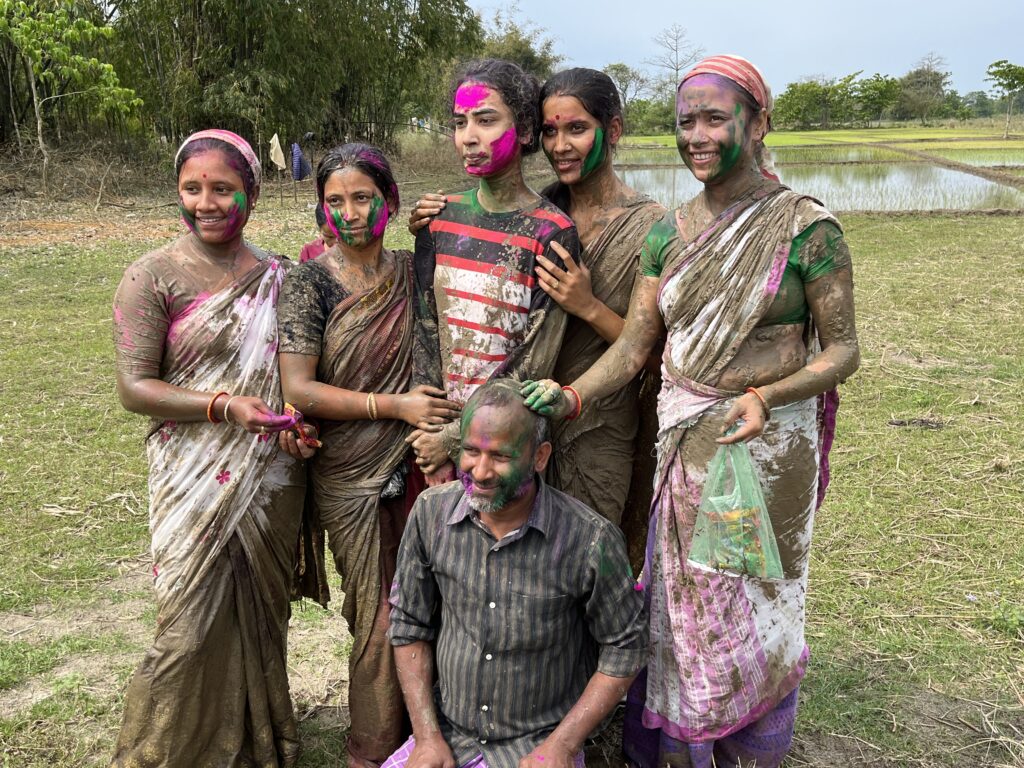
Mishing Tribe
The Mishing tribe lives along the Brahmaputra riverbanks, known for their stilt houses and vibrant textiles. River island Majuli, Dhemaji and Lakhimpur districts of Assam are mainly inhabited by the Mising community. The Mising tribe builds homes on stilts along the shifting banks of the Brahmaputra River. They still practice age-old fishing methods and bamboo handloom weaving. You can meet the Mising community and observe their lifestyle closely in our 15 days tribal and cultural journey
You can participate in the Ali-Aye-Ligang Festival celebration of the Mising community, which takes place in the month of February. The festival celebrates the sowing season, with dance, music, and shared meals of rice, fish, and pork.
What travellers experience:
Walking beneath raised houses, watching weaving traditions, and understanding resilience shaped by water.

Karbi Tribe
Residing in the Karbi Anglong hills of Assam, the Karbis practice shifting cultivation and celebrate Rongker, a festival to protect villages from natural calamities.
Apart from the above-mentioned communities, Rava, Deori, Hajong, Sonowal Kachari, Dimasa, Tai, Sinpho, and Adivasis are some prominent tribes of Assam.
Major Tribes of Meghalaya
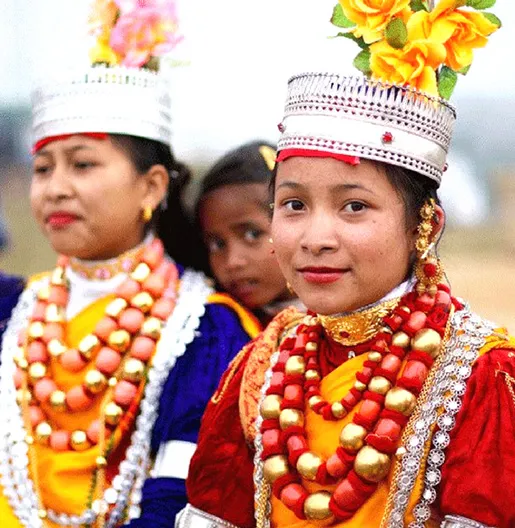
Khasi Tribe
The Khasi tribe follows a matrilineal system, where lineage and inheritance pass through women. They are deeply connected to forest conservation, evident in sacred groves like Mawphlang. The cleanest village in Asia, Mawlynnong village, is home to the Khasi tribes. Khasi music, folklore, and architecture are integral to Meghalaya’s identity. The Khasi tribe also has 7 sub tribes. One of them is the Pnar tribe. Behdienkhlam Festival, one of the best-celebrated festivals in Meghalaya by the Pnars tribes
Garo Tribe
The Garos inhabit western Meghalaya in the Garo Hills district and parts of Assam. Known for their warrior traditions, they celebrate the Wangala Festival, also called the Hundred Drums Festival, honouring the harvest and the sun god.
What travellers experience:
Drum performances that vibrate through the chest, warm hospitality in village homes, and insight into a society where women hold lineage and land rights.
Jaintia Tribe
Closely related to the Khasi, the Jaintia tribe is known for its distinct language and rituals. Jaintia tribes mostly live in the Jaintia Hills district in the south of Meghalaya. Traditional governance systems still play an important role in community life.
What Makes Tribal Tourism in Northeast India Unique?
Visiting the northeast India tribes is not about observing—it is about participating respectfully. It means listening more than speaking, eating what is offered, and understanding that these cultures survive because they are lived daily.
At Nexplore, we conduct carefully curated tribal village tours that:
-
Respect local customs and permissions
-
Support community-run homestays
-
Focus on real interaction, not performance
-
Create meaningful experiences for travellers and villagers alike
FAQs – Tribes of Northeast India
Q1. How many tribes are there in Northeast India?
There are over 200 major and sub-tribes across the eight states.
Q2. Which state has the highest tribal diversity?
Arunachal Pradesh and Nagaland have the highest tribal diversity.
Q3. Is it safe to visit tribal villages?
Yes, when visited responsibly with local guides and permissions.
Q4. Which festivals showcase tribal culture best?
Hornbill Festival (Nagaland), Aoliang(Nagaland) , Wangala (Meghalaya), Bihu (Assam), and Myoko, Trogya Festival(Arunachal Pradesh).
Q5. Are tribal tours suitable for foreign tourists?
Absolutely. Northeast India is gaining popularity among foreign travellers seeking cultural immersion.
Experience Northeast India Tribes with Nexplore
Northeast India is not just a destination—it is a living cultural museum shaped by its indigenous tribes. Exploring these communities with respect opens a deeper understanding of India’s oldest civilisations. To visit the tribal states in Northeast India, you need to arrange your permit in advance. Check Northeast India permit details before starting your tour.
The tribes of Northeast India don’t ask travellers to admire them. They invite you to sit, listen, feel and respect their way of life. Long after the journey ends, travellers remember names, smiles, and shared meals. If you are looking for a journey that changes how you see the world, check our tribal tour packages.
Plan Your Northeast India Tour
Nexplore Travel has been running Northeast India tours for international visitors since 2015. Guests from Sweden, Germany, France, UK, New Zealand, and Singapore have visited Northeast India with us. We handle all PAP permits, arrange English-speaking local guides and create private itineraries for your travel dates.
Contact us 📧 support@nexplore.org 💬 WhatsApp: +91 73990 54196 (We respond to WhatsApp from anywhere in the world)
Related Read
Last Updated on October 19, 2026 by Nexplore Travels